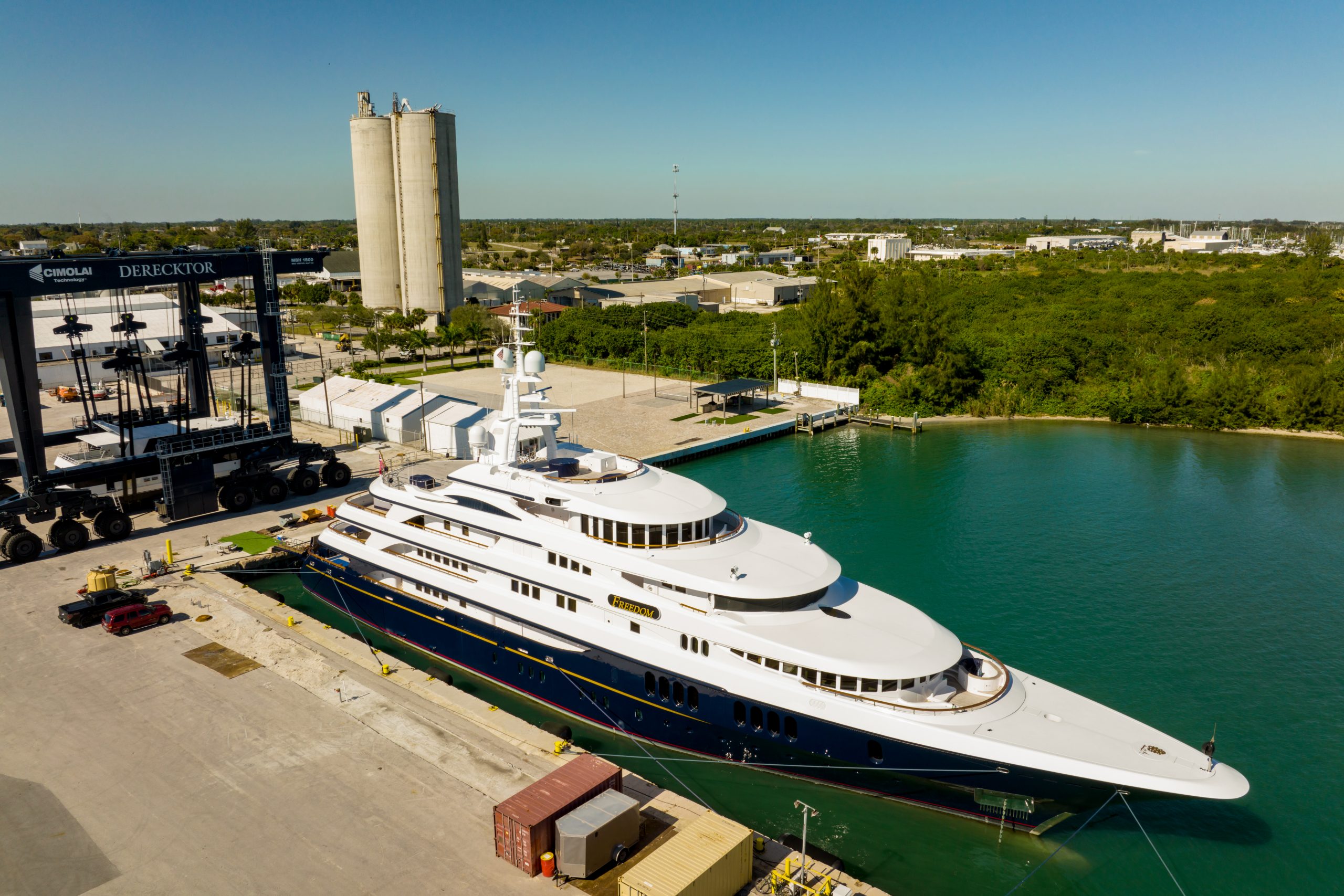
Tonnage Measurement Survey

Our surveyor, who is authorized by IIMS (The International Institute of Marine Surveying) and accredited by MCA (Maritime and Coastguard Agency), carries out tonnage measurement surveys for yachts under 24 meters belonging to the following flag states.

  • The Registry of Shipping and Seaman (UK Flag).
  • Isle of Man Registry
  • British Virgin Isles Registry
  • Cayman Islands Registry
  • Gibraltar Registry
  • Channel Islands (Jersey, Guernsey) Registry
  • By arrangement for the Irish Registry (under 15m)
  • St. Martin
  • Cook Islands

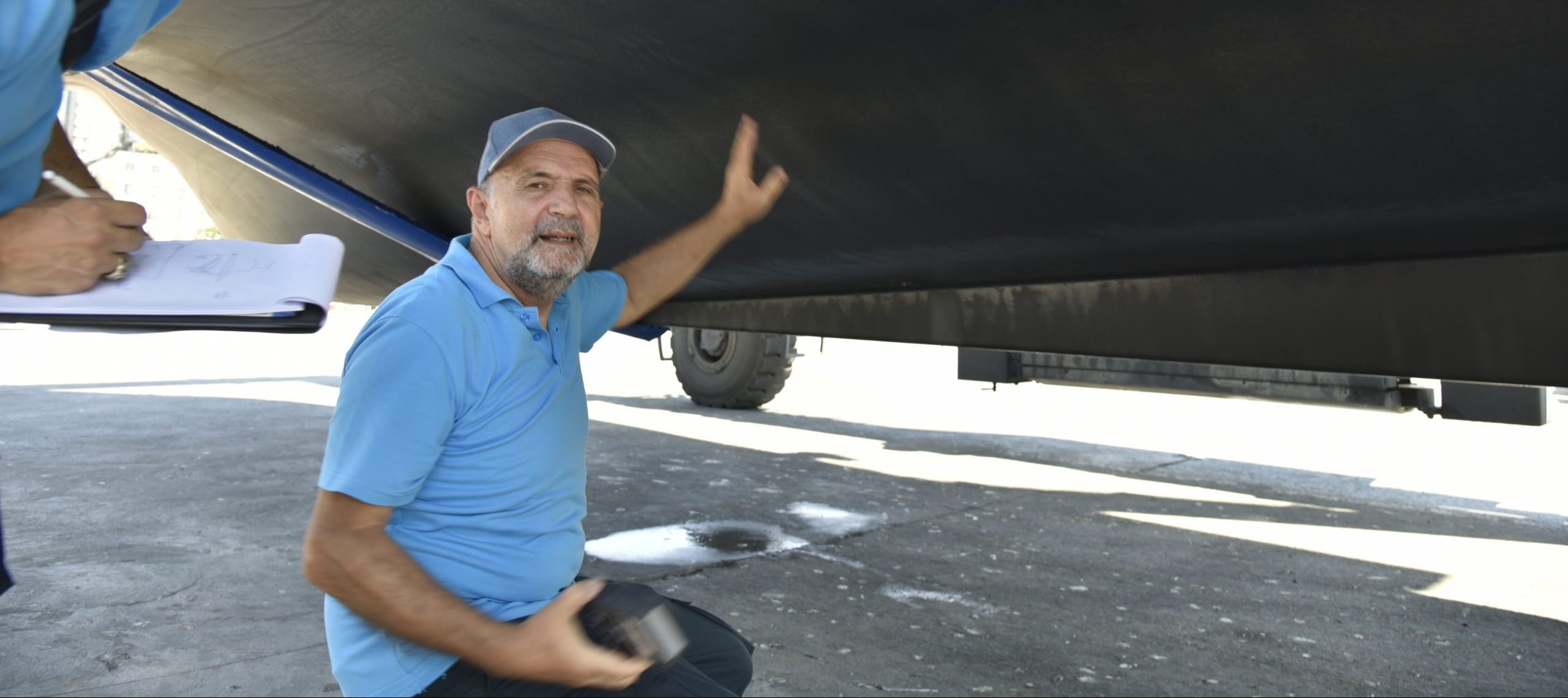
Hull Survey

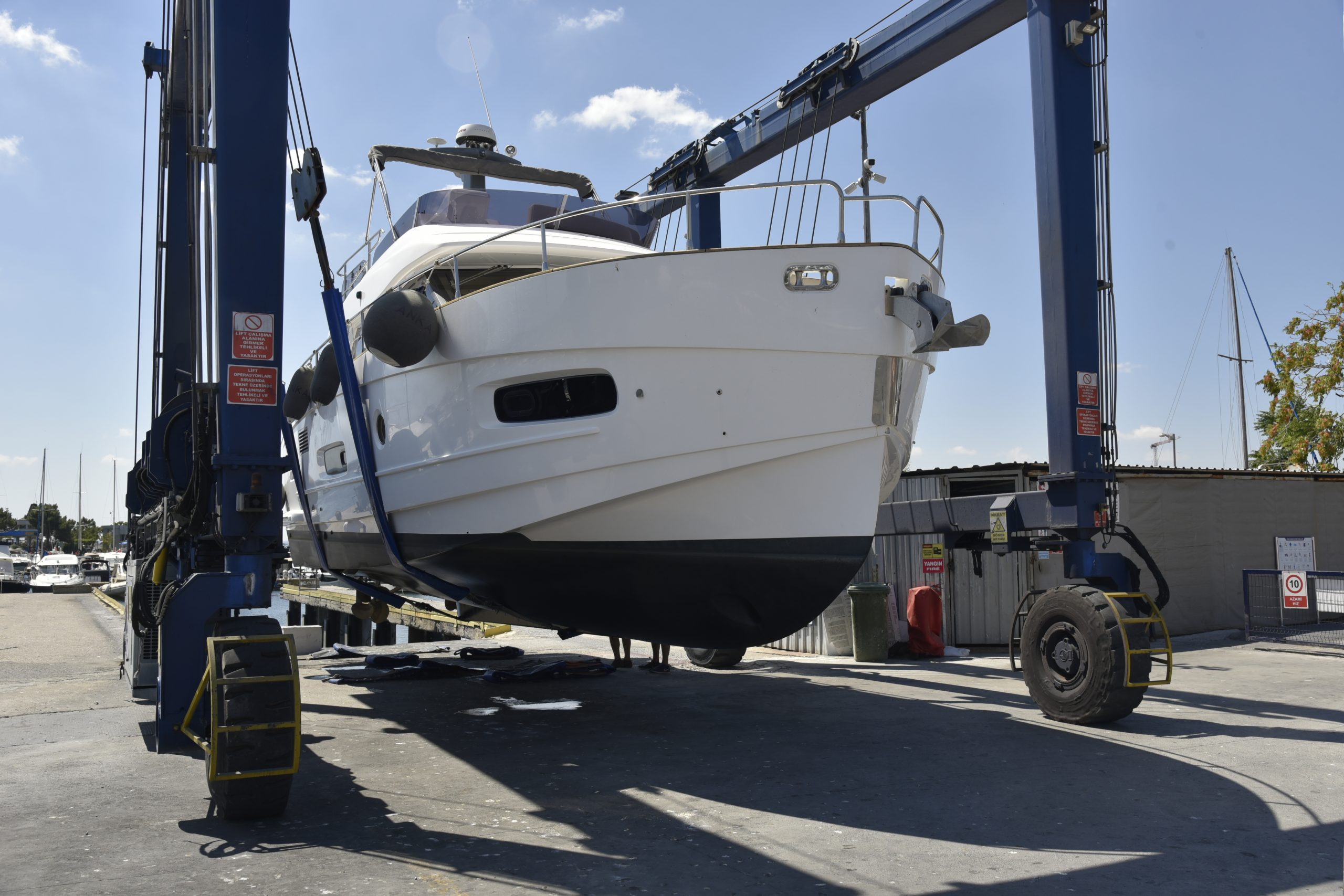
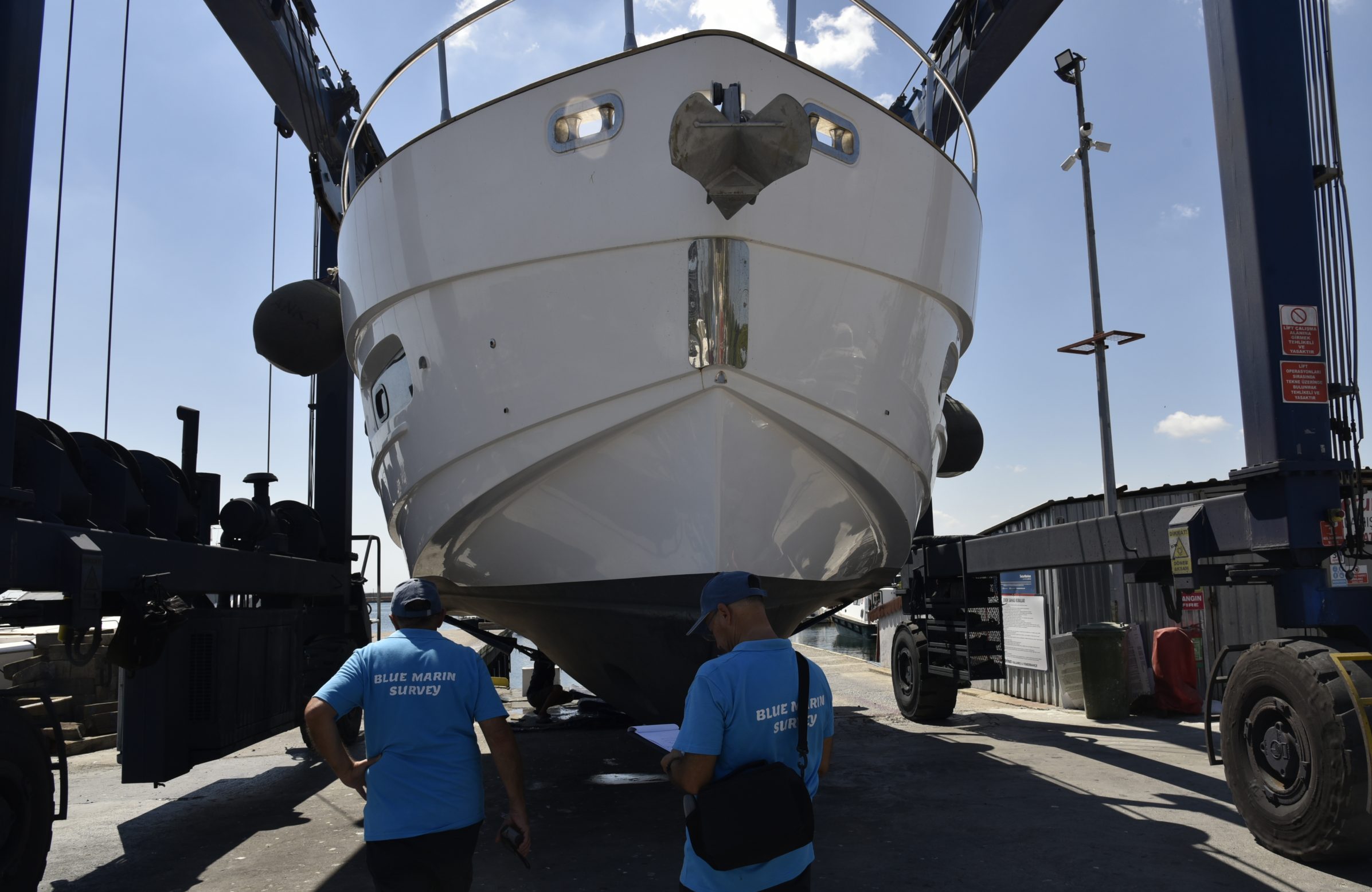
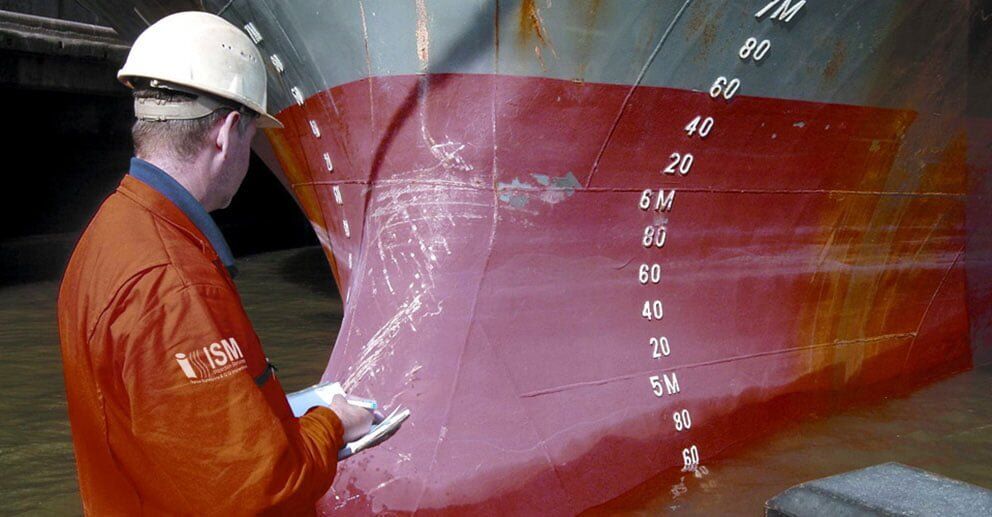
This survey is carried out completely independently and as part of a larger scale or pre-purchase survey of the hull structure.

This survey, which will determine the structural and physical condition of the boat, is of great importance in terms of the value and seaworthiness of the boat.

Various problems that may arise over time depending on the age of the boat, construction material and production quality are determined and solutions are reported.

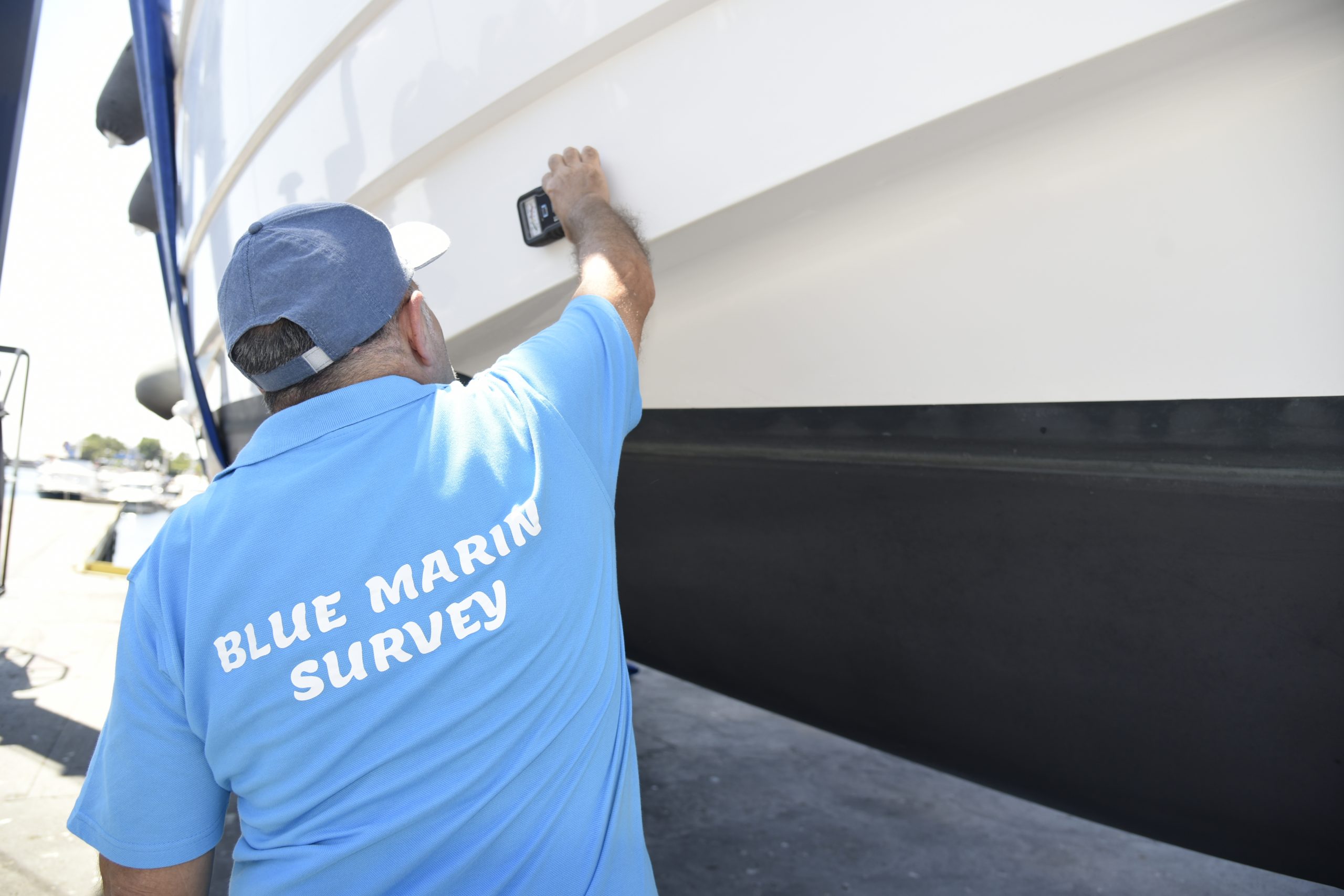
In this context, various non-destructive testing methods are applied with calibration-certified control devices by expert teams that are specialized in their fields and certified by accredited institutions.

These are;

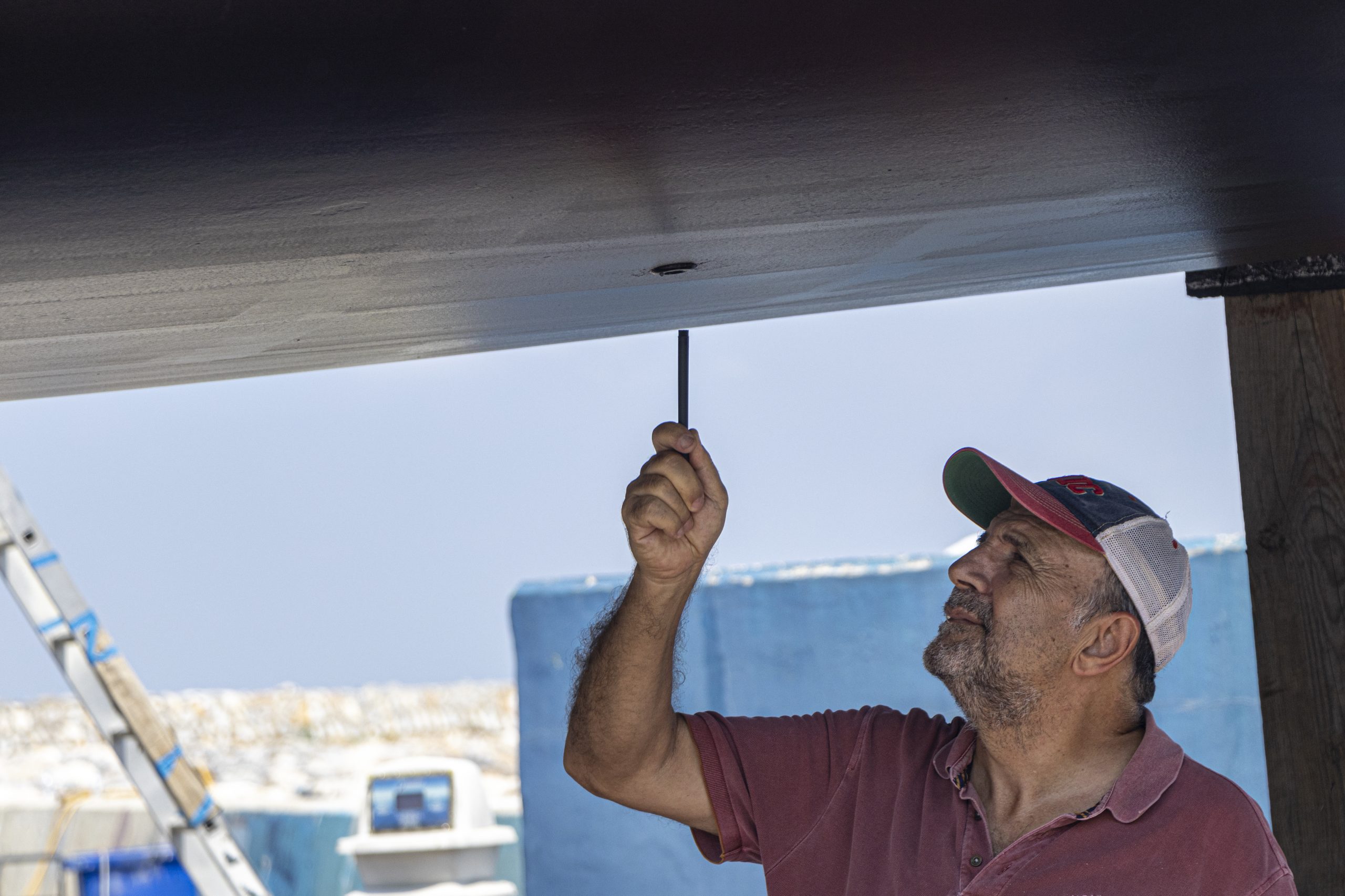
  • Checking the metal losses that may occur due to corrosion in the hulls of steel or aluminum boats and measuring the sheet thickness at critical points,
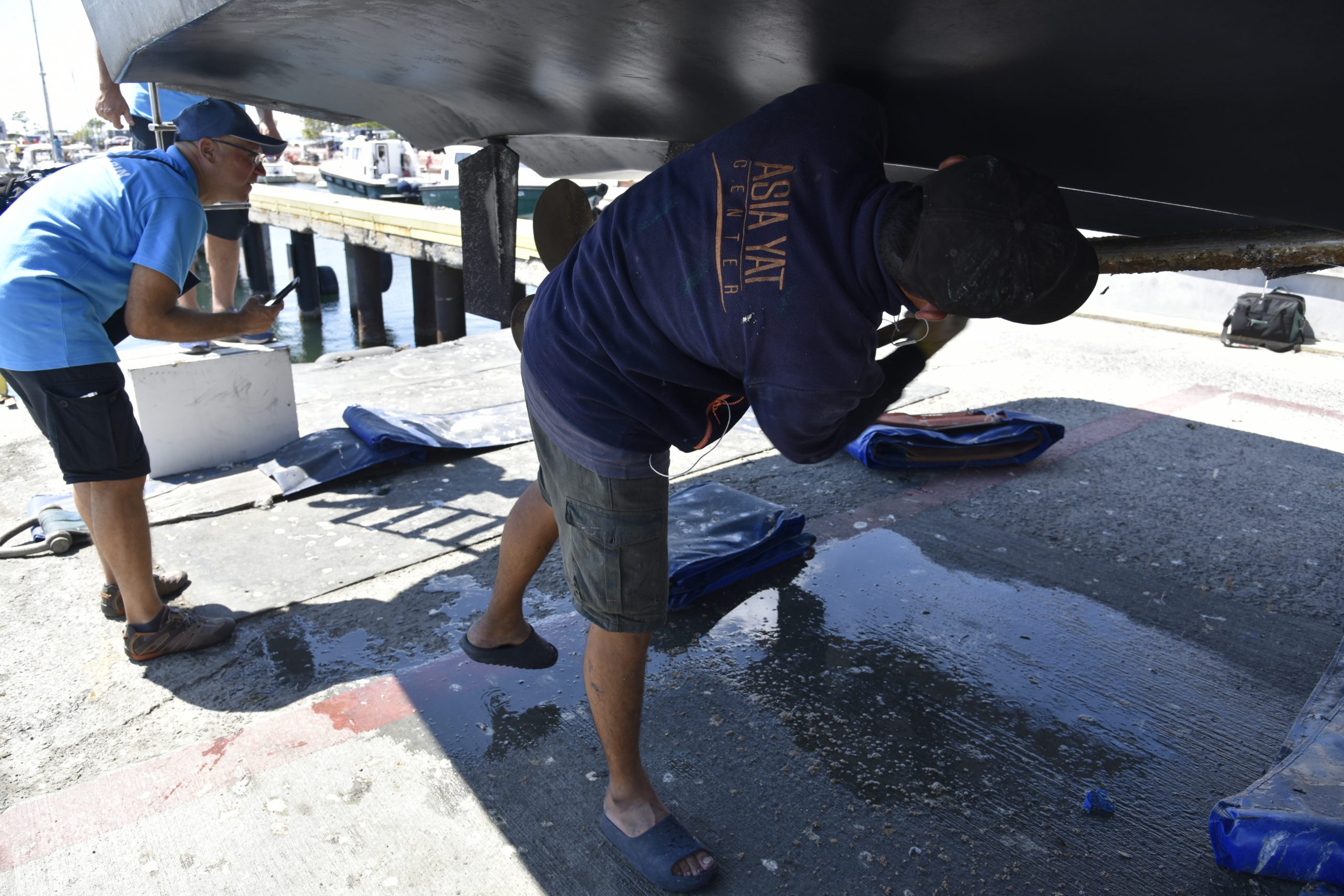
  • General condition and crack checks on the propeller,
  • General condition and crack checks on the keel hull,
  • General ultrasonic scanning and crack check in stress areas or areas subject to corrosion, including superstructure and structural elements,
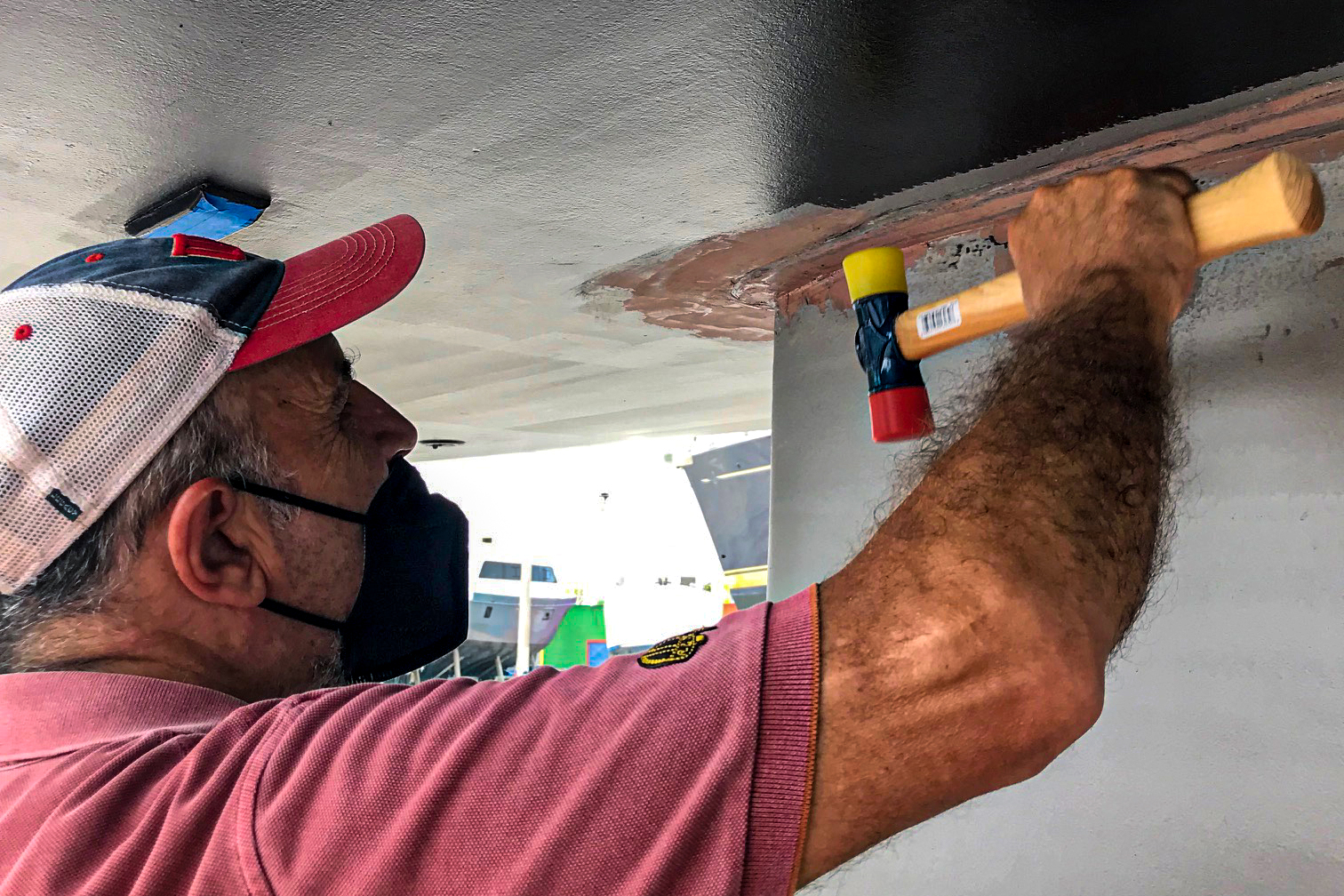
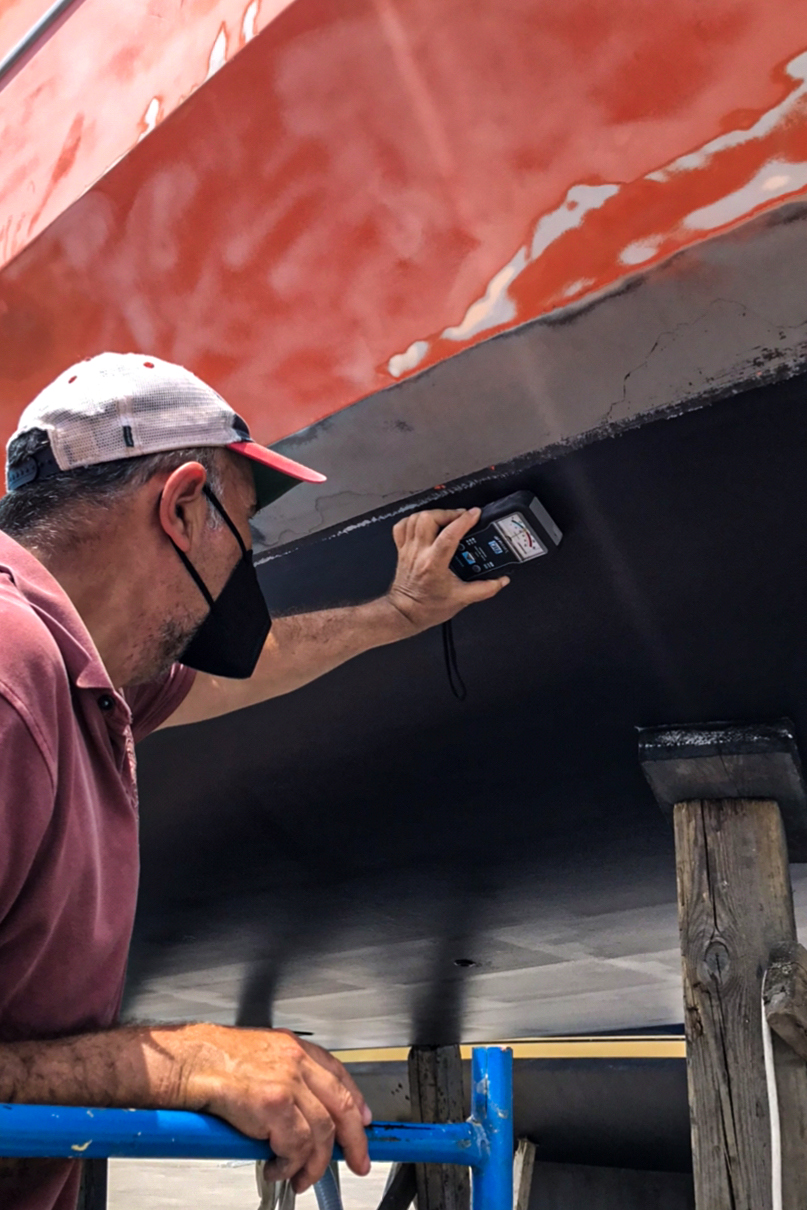
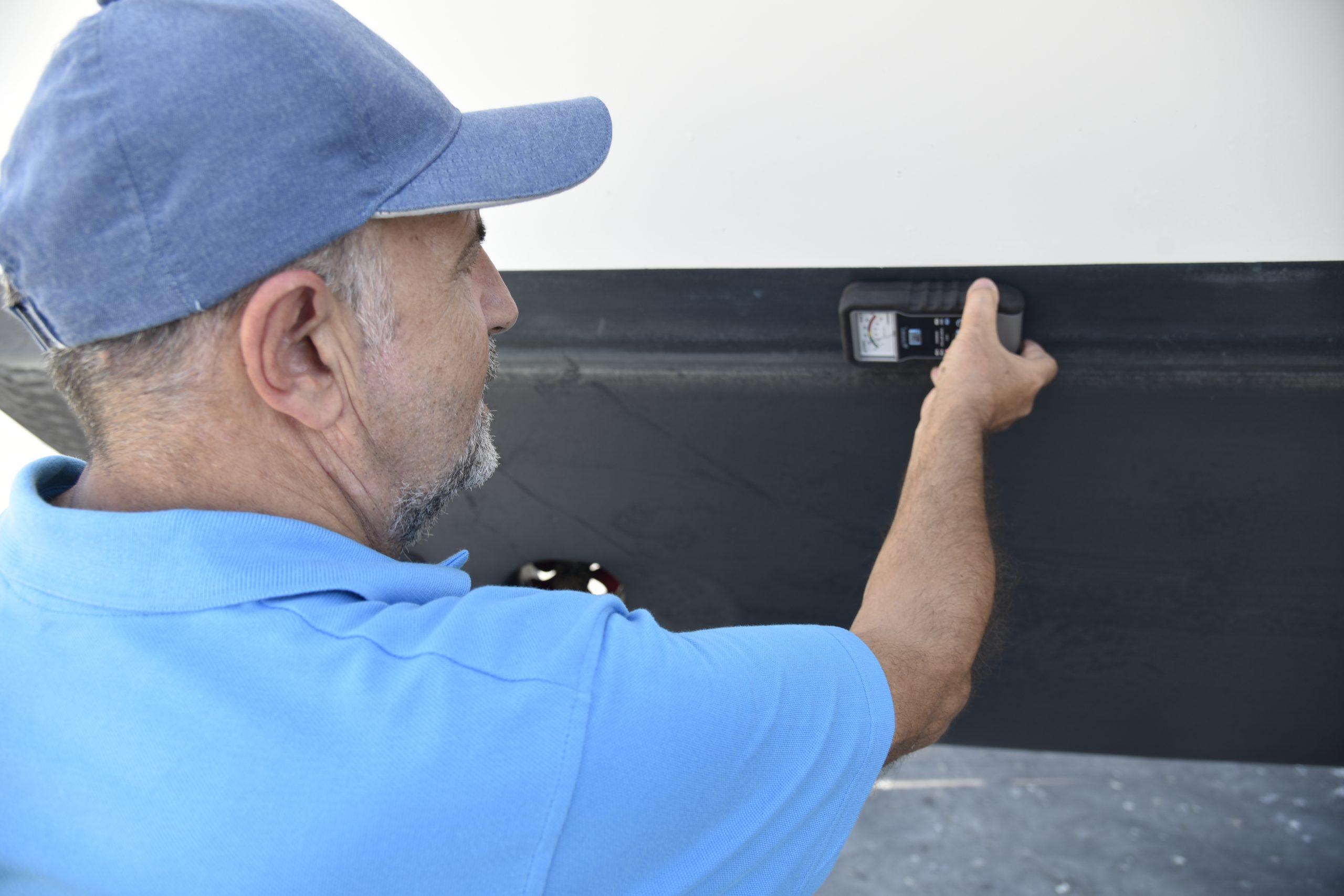
  • Conducting moisture measurements and percussion tests at critical points on the hull or superstructure of fiberglass boats, and ultrasonic scanning operations for delamination control in suspicious areas.
  • Investigation of signs of damage or repair.

As a result of the above controls, suggesting solutions for problems detected, if any.

Limited Scope Survey

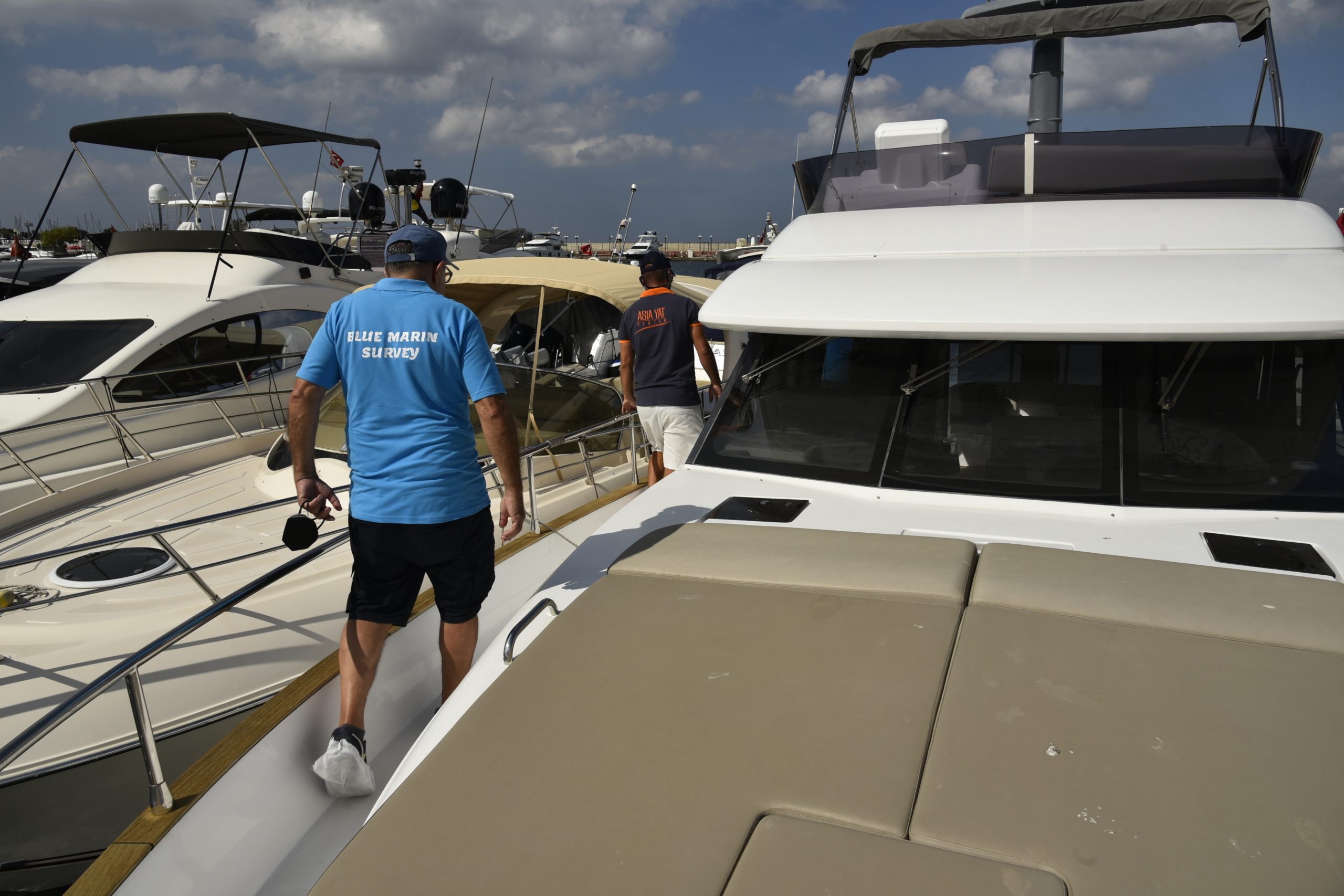
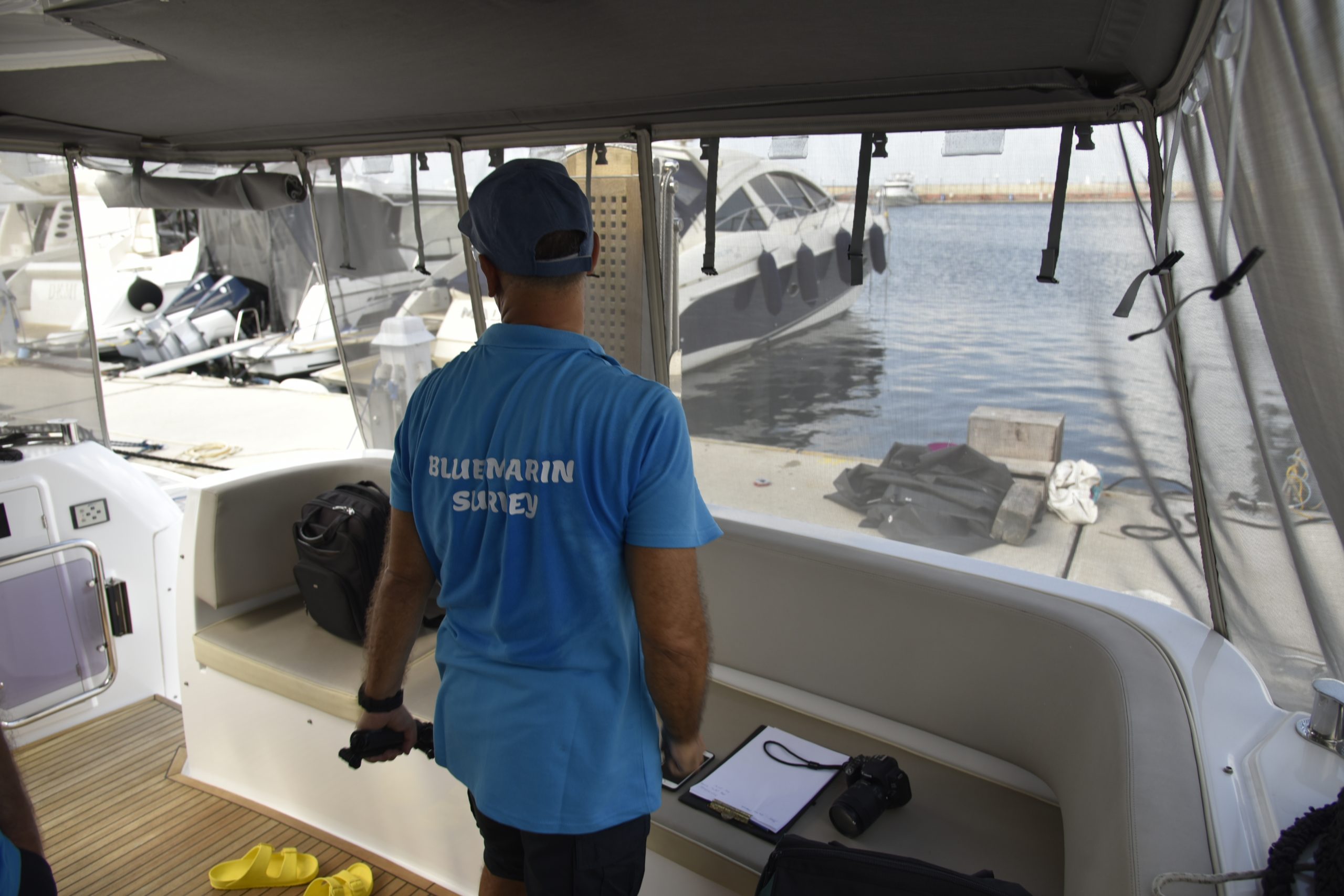
It is the technical inspection to be carried out on the agreed issues when requested by the boat Owner or the potential buyer. These may include sea trials which can give an idea of the boat's maneuverability, machinery equipment and general performance, tests of safety equipment, measurements of hull sheet thickness and/or moisture, and hull damage or deformation checks.

Exactly, requests are shaped by the customer.

A lower cost limited survey is usually performed to identify and correct a problem that may disrupt seasonal operations before a full purchase survey decision is made.

It is also within the options of making it as a walk-through.

Cost of the limited scope survey will at the same time be deducted if our customers decide to proceed with the pre-sales survey.

Survey is completed within the same day it started.

Valuation Survey

Valuation survey can be requested by the insurance company, lending bank/financial institution, yacht owner or potential buyer.

As a practice, the survey focuses on physical and functional inspections of the hull's structural integrity, seaworthiness conditions and equipment that will affect the hull value. The technical report is a bit more of a summary of the pre-purchase survey content.

The value of the boat is determined by the supply and demand balance in the current time period, the market value of its peers and the survey results.

Disclosed vessel value is a statement of opinion valid for a certain country and under certain conditions within a certain period of time.

Machinery Survey

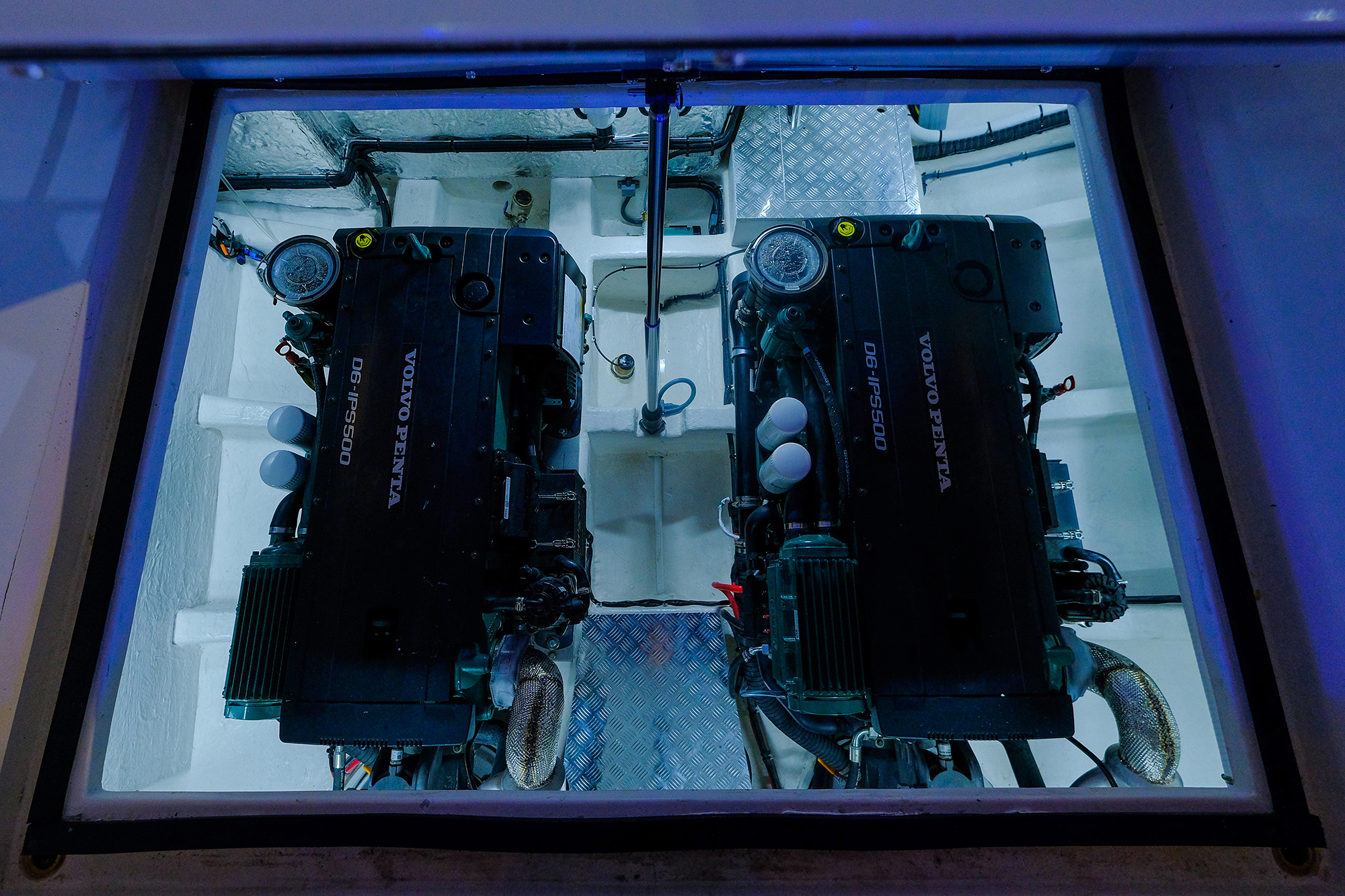
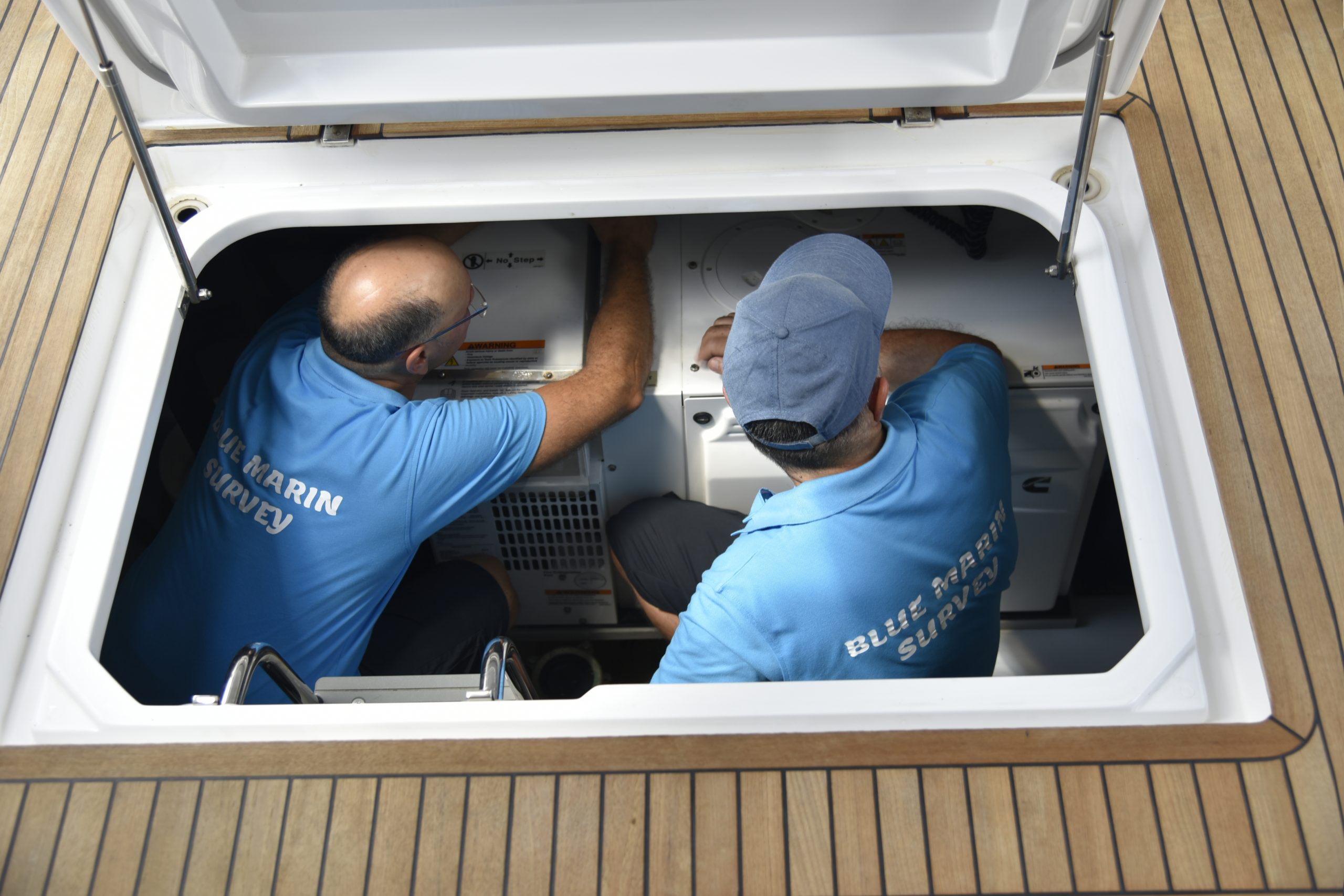
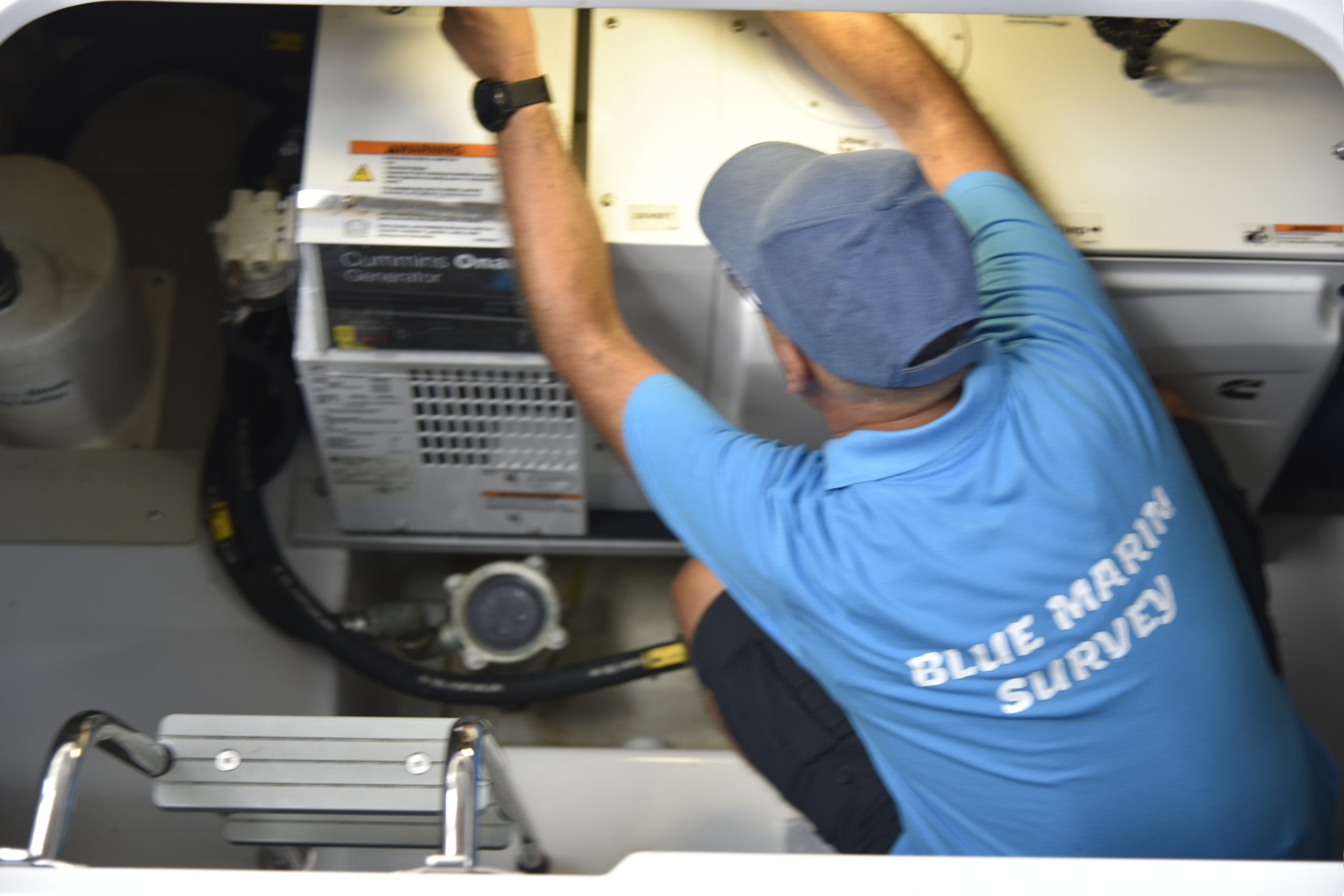
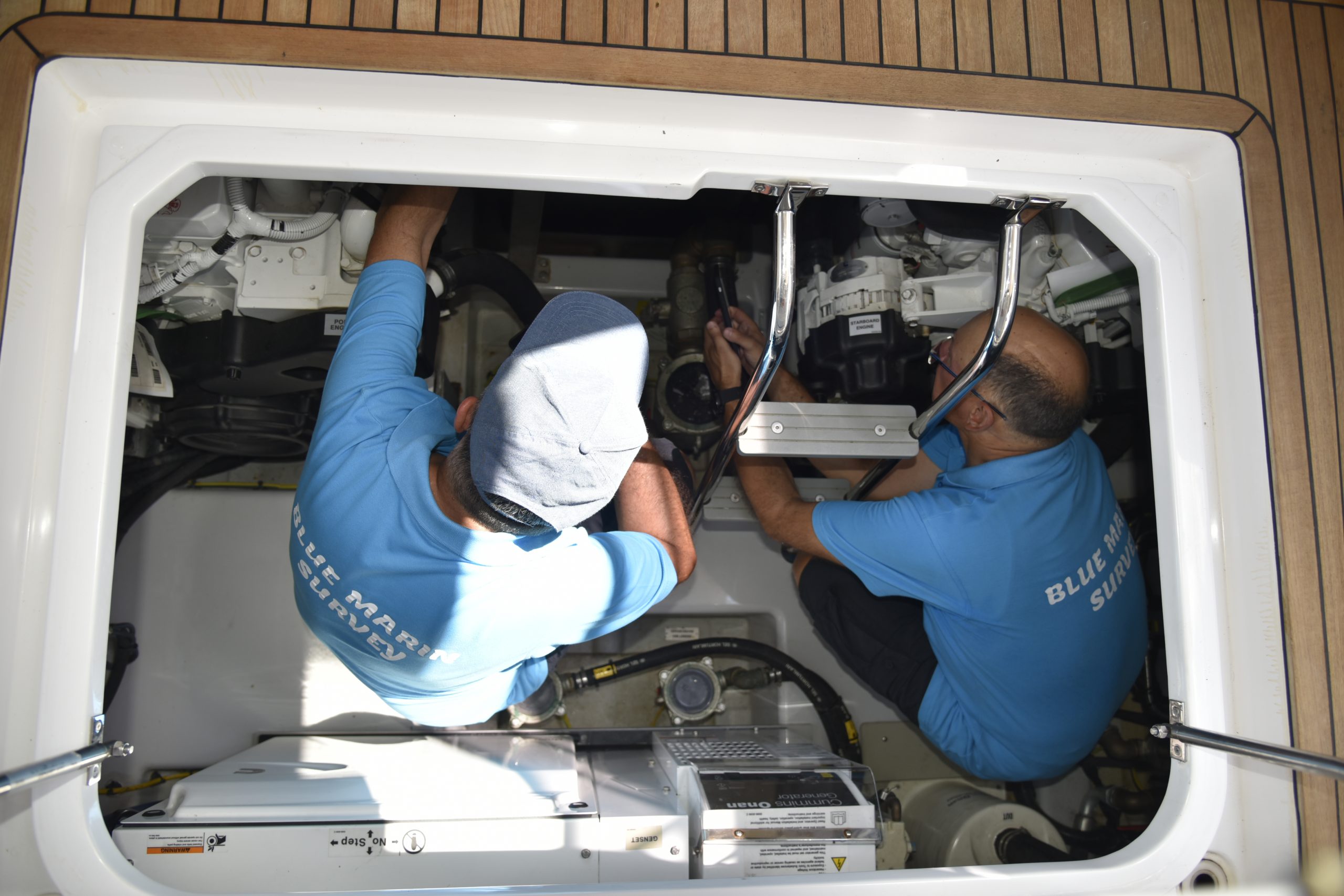
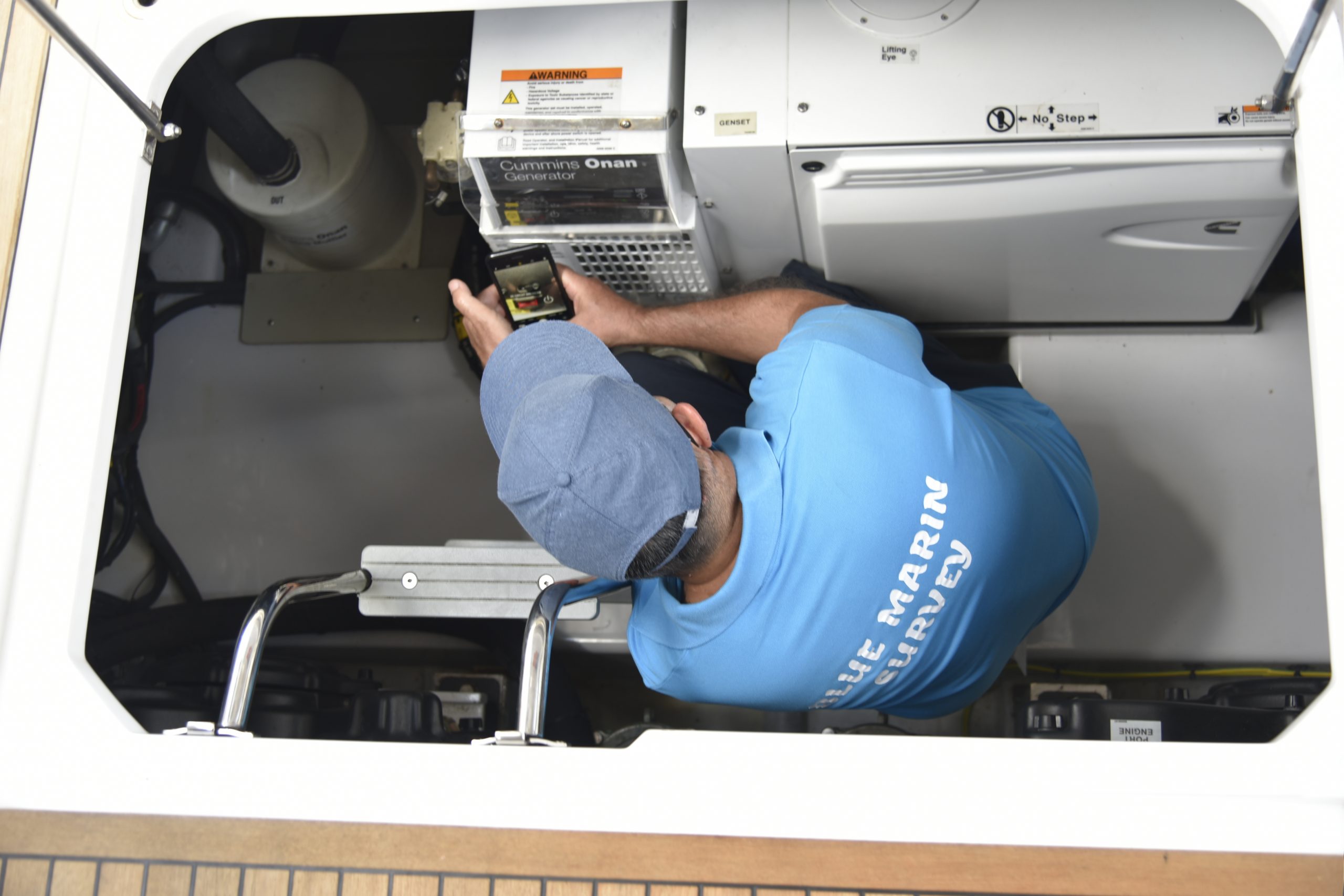
Machinery surveys are performed in the form of physical control and functional tests of main engine and propeller systems, shaft and bearings, steering gear, fuel and exhaust systems, pumps, fire systems, electrical equipment and all other auxiliary systems especially in motor yachts along with the instantaneous loading and parallel operation tests of generators and the functionality controls of the protection circuits at the port.

Instant loading tests, parallel operations and protection systems of generators are checked at port. Shut down & load reduction tests of main machines and generators are performed. (Support of the relevant service engineer can be obtained in this regard.) Control of emergency systems for ship safety, emergency stop tests, monitoring and indicator systems controls are within the scope of the survey.

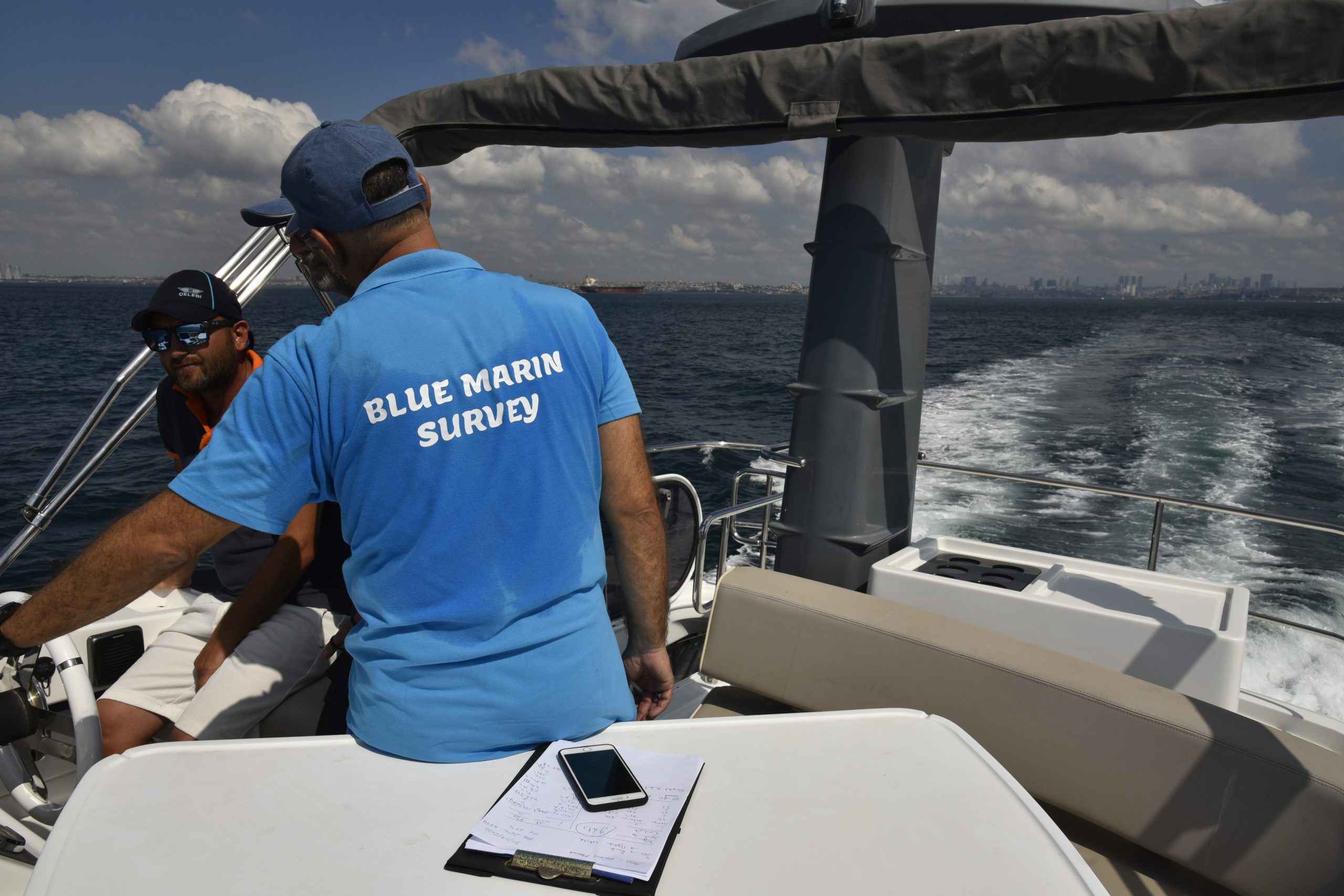
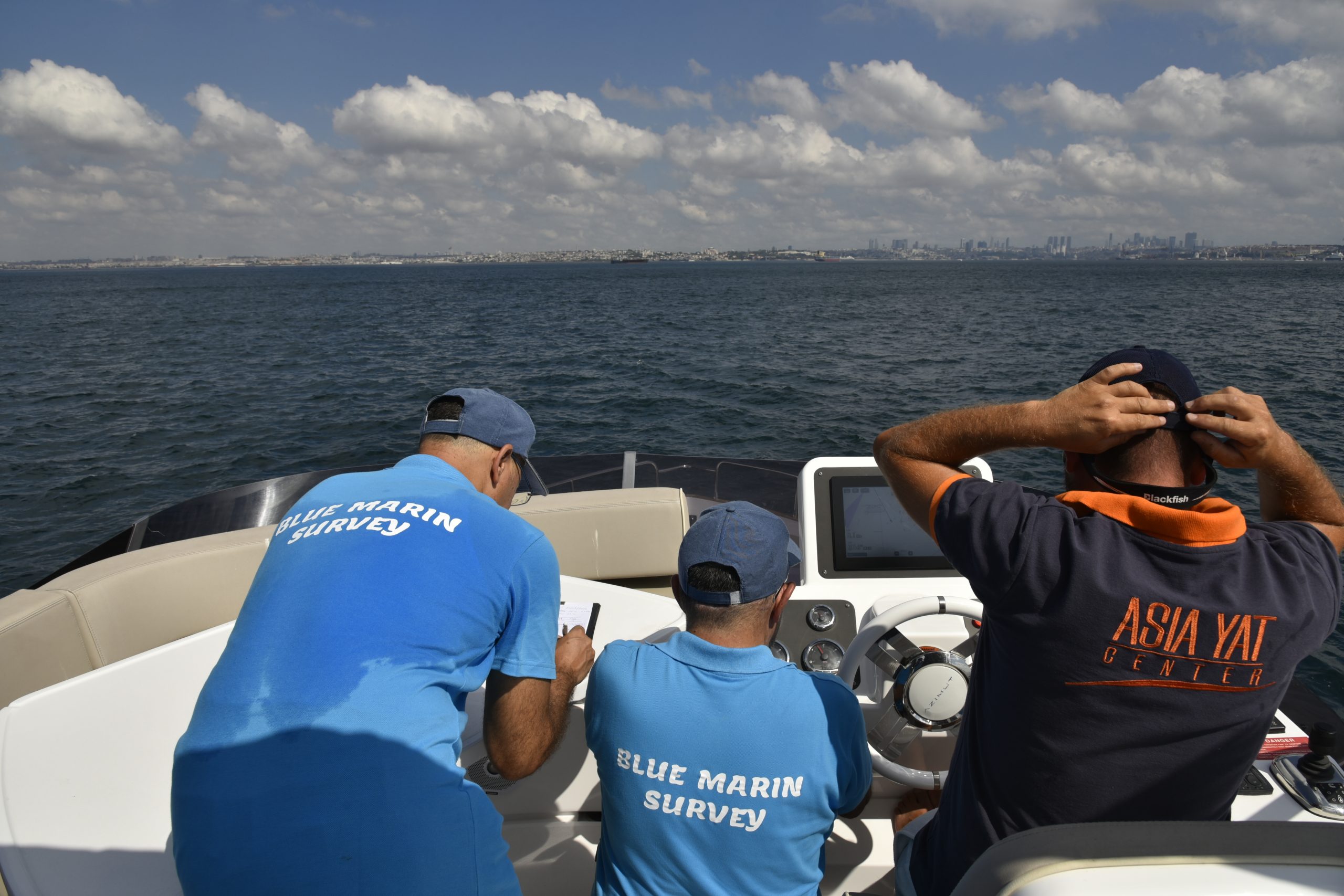
After the port tests are completed, the sailing experience is made together with the full load performance measurements of the machines and their records are taken. The results are evaluated and reported together with the recommended or absolute maintenance and repair recommendations.

This survey is recommended to be carried out especially for the boats;

  • That have been idle for a long time,
  • That will remain separate from the mooring port and make long-term voyages,
  • That are at risk of being exposed to severe weather conditions due to their voyage,
  • Subject to refit process.

Otherwise, the costs of repairing the malfunctions encountered outside the mooring port and especially during the cruise may be quite high.

Warranty Survey

In the life cycle of a boat, including its construction and usage processes, all stakeholders have obligations to each other based on contracts and international law, as well as ethical values. One of the most important of these obligations is the "WARRANTY" issue.

Responsibilities of Stakeholders Regarding Warranties

Boat Owner

Keeping his boat in physical and operating conditions in accordance with the policy conditions in the defined expedition zones and ports against insurance companies,

Against shipyards and equipment suppliers of ensuring that the boat equipment and machinery equipment are operated and maintained under the conditions specified in the technical documents, within the warranty period specified in the construction contracts.

Equipment Supplier

Of ensuring that the necessary repair and replacement processes will be carried out in case of any defect or malfunction of the equipment delivered to the shipyard and/or the user within the warranty period specified in the purchase contract.

Insurance Company

Of ensuring that losses of boats of which it is a customer are covered in accordance with the policy conditions.

Shipyard

Of ensuring that the necessary repairs and replacements are carried out against all kinds of defects and malfunctions within the warranty period specified in the contract, including all the equipment of the boats they have constructed.
Scope of Warranty Survey

The warranty survey covers the reporting of the necessary technical inspections on behalf of the requester(s), in order to resolve the disputes that may arise between the stakeholders in case of breach of one or more of the obligations.

This report contributes to the equitable solution of high-cost problems.

Inspection for hull damage and loss is also covered by the insurance damage survey .

Insurance Damage Survey

Claims investigations are usually conducted on behalf of the insurance company as a result of a request made to them by the boat owner. Apart from this, requests may also be made by boat owners who demand an independent assessment of the damage to be made.

The survey is carried out for the completely damaged and directly affected area.

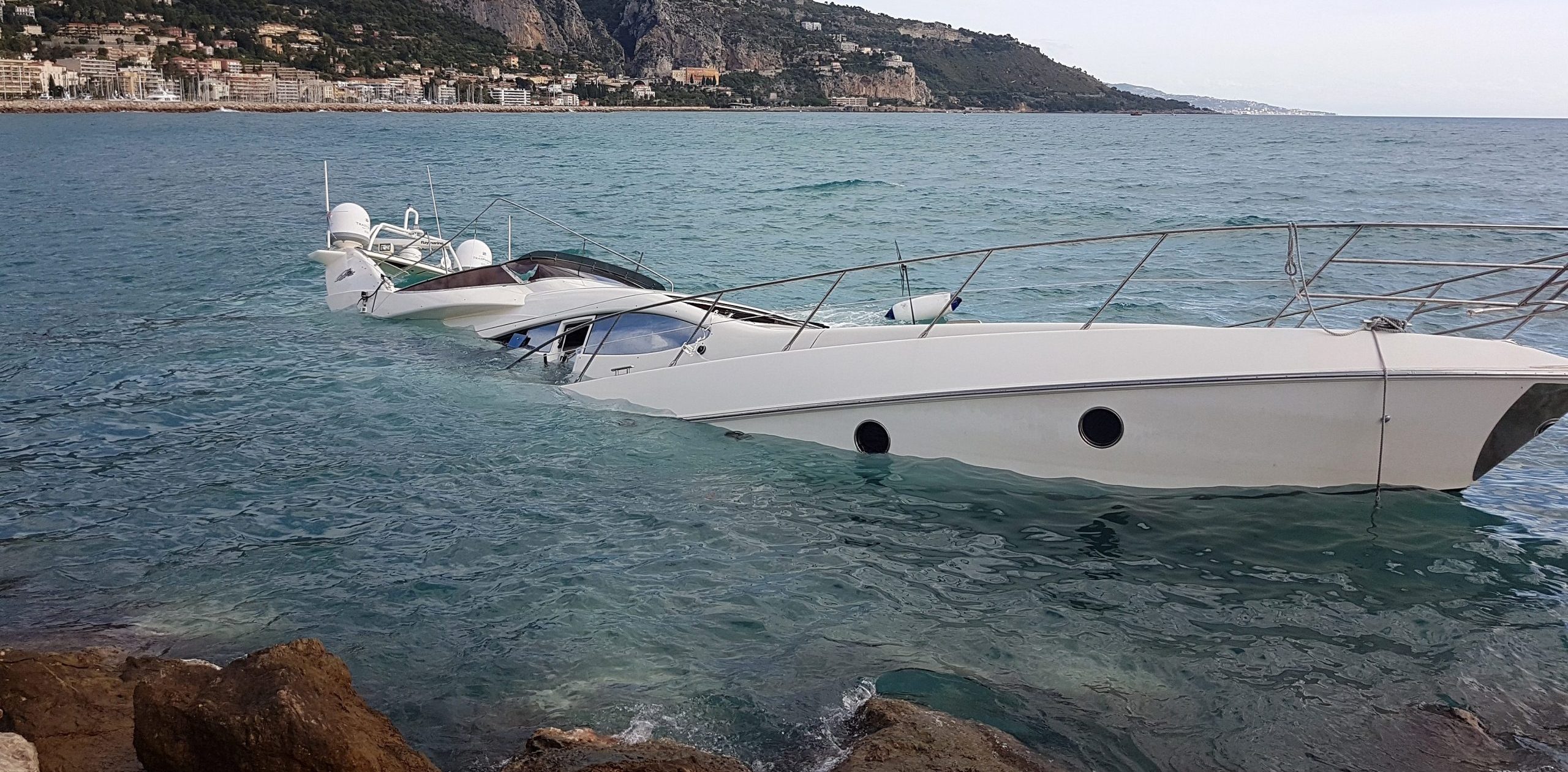
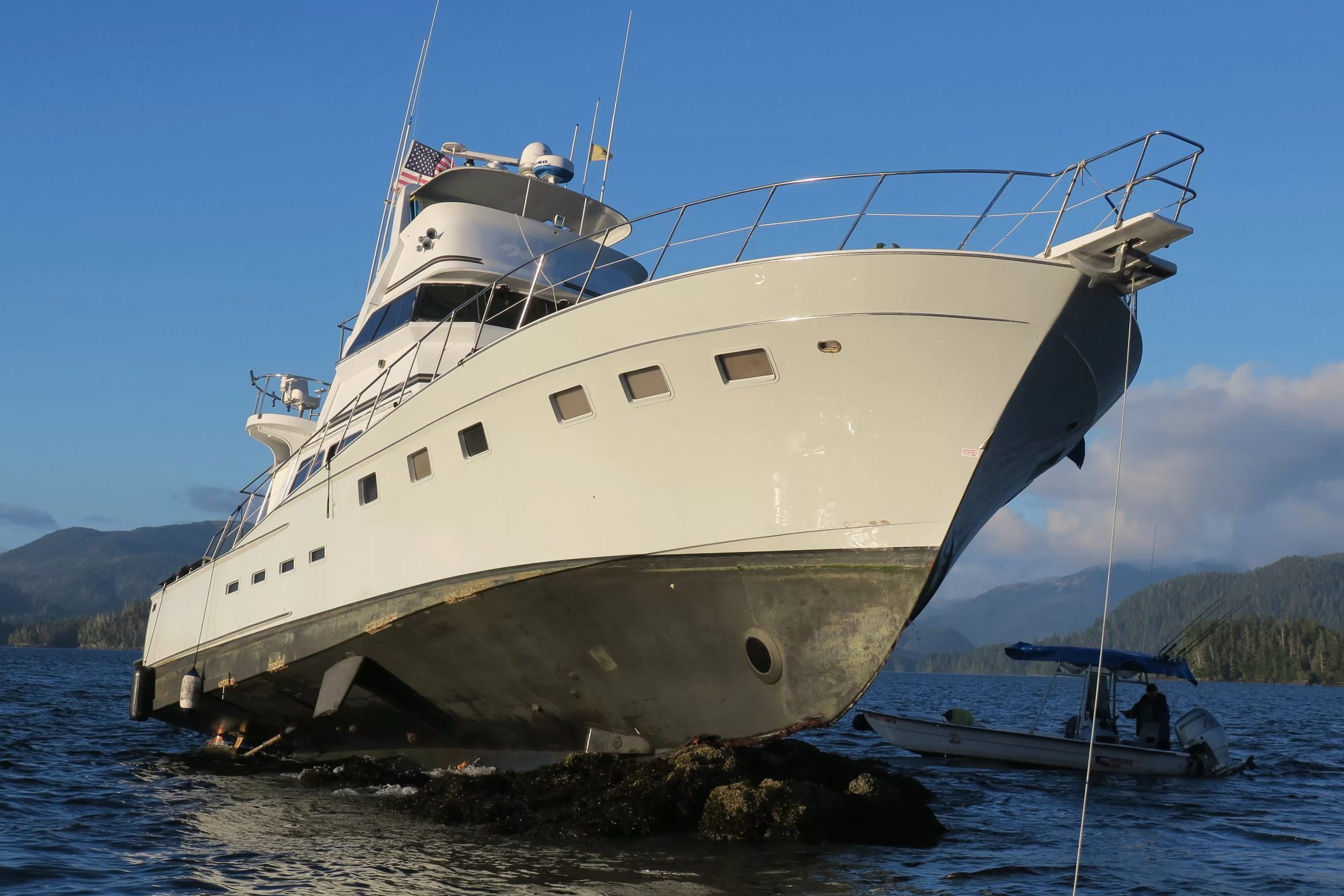
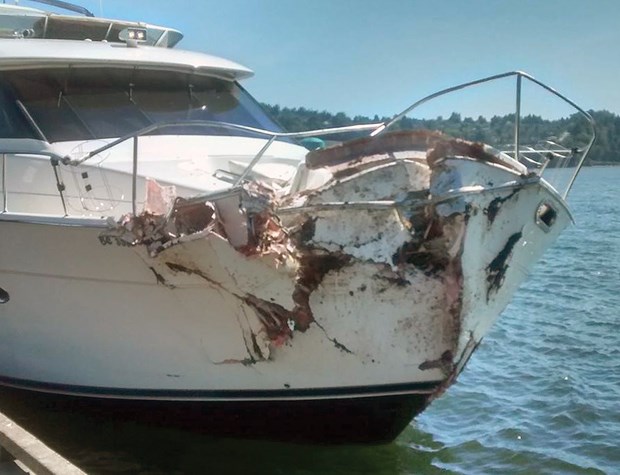
First of all, damage is investigated by its root causes within the framework of events such as possible conflict at sea, fire, explosion, grounding, flooding, machinery failures, mast and sail equipment damage, severe weather conditions, without being limited to these.

Causes and consequences of the damage, as well as solutions regarding the repair methods are stated in the report.
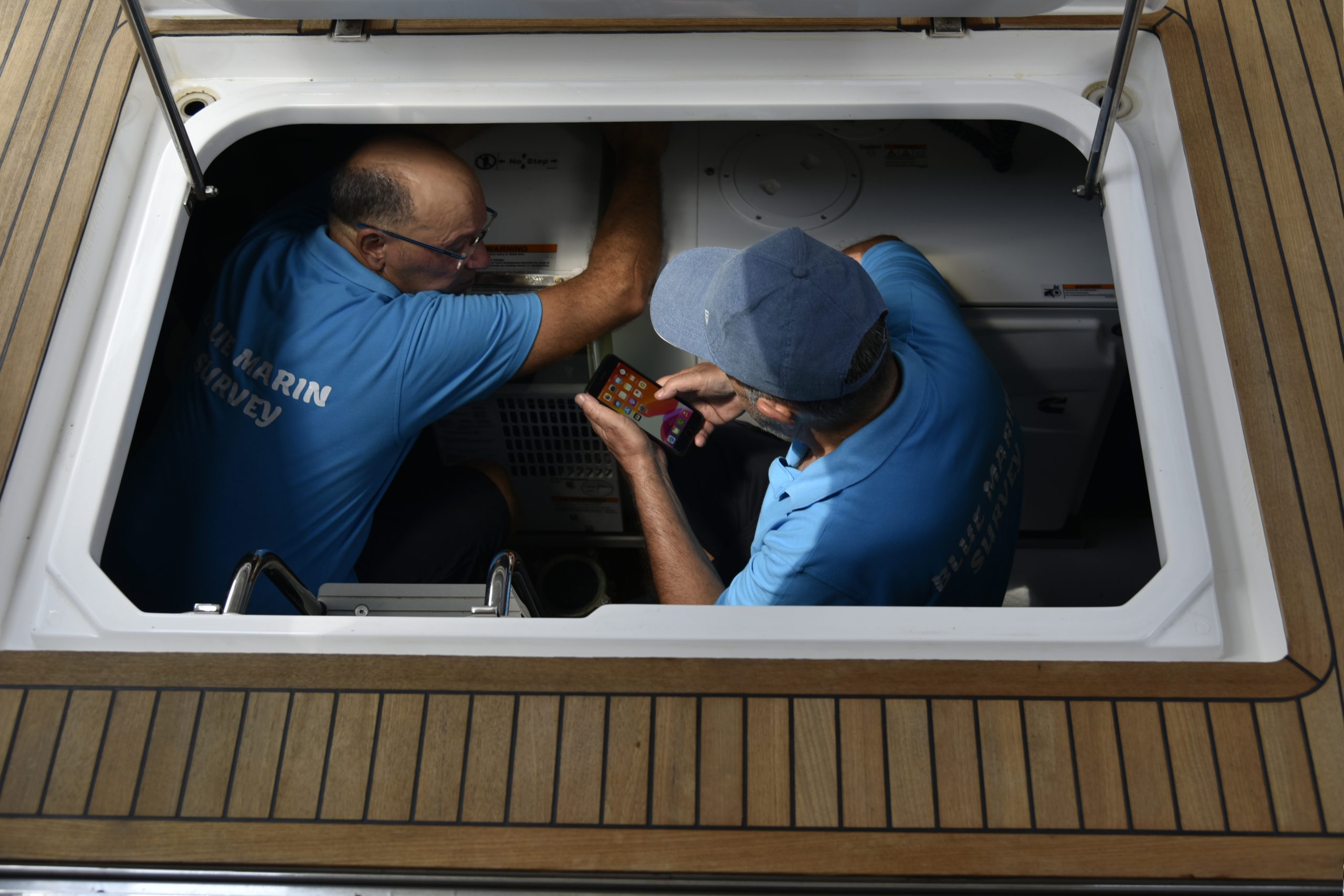
Upon request, an assessment of possible repair costs is made.
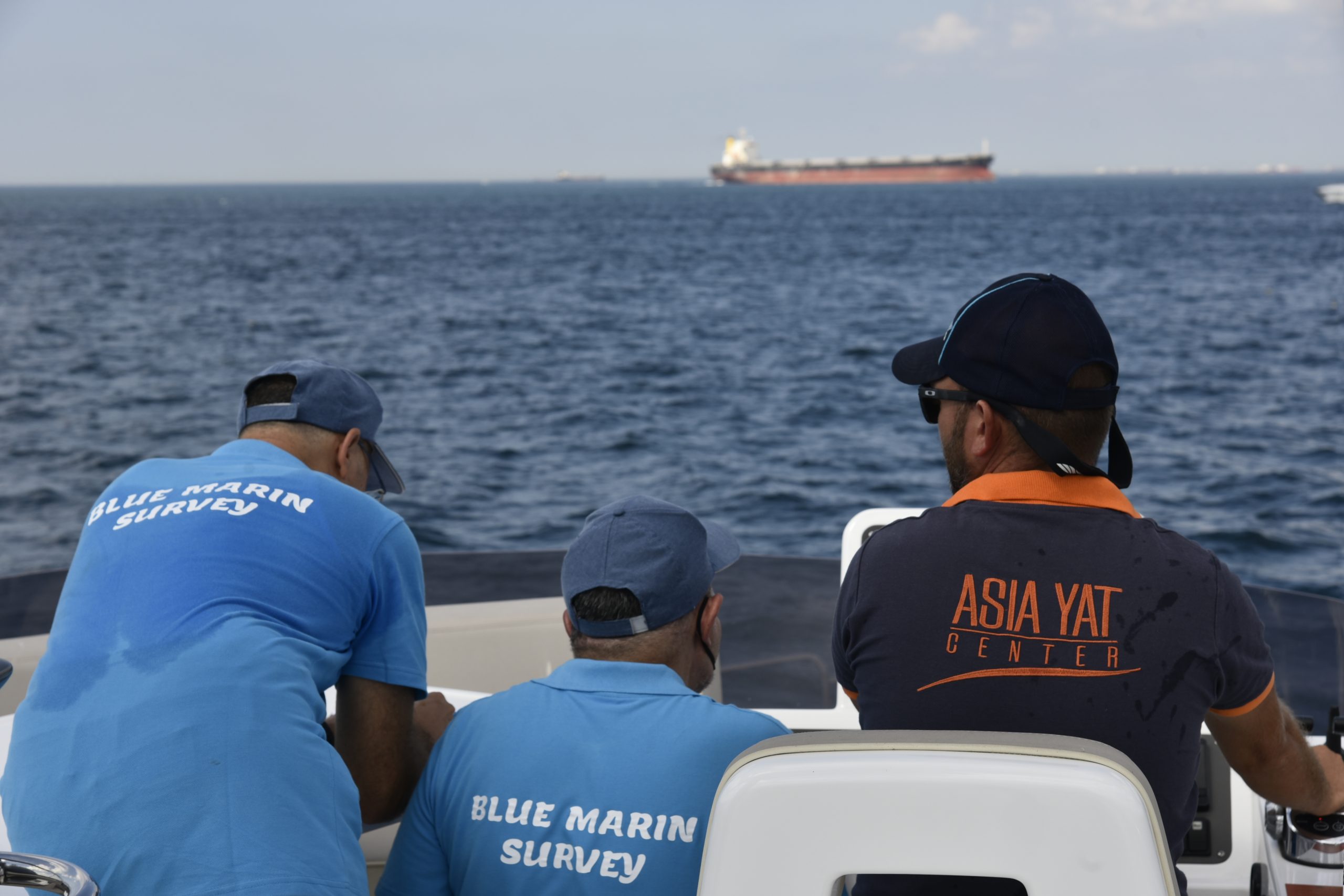
Insurance Survey

As Blue Marin Survey, our main goals are; to determine the deficiencies, if any, at the end of the survey, to follow up on their elimination and to successfully complete the insurance process in favor of all parties.

From the Perspective of Insurance Companies;

The survey requirement and frequency of application may vary according to different insurance companies. In this, the age of the boat and the way it is used play a decisive role. The need for an independent and reliable survey is inevitable, especially during the initial policy creation or renewal of an existing one. The goal is to satisfy insurers that the boat is an acceptable insurance risk and that the insured value is realistic. Upon request, information about the market value of the boat is also provided. Many insurance companies require surveys for boats over a certain age, for periods not exceeding 5 years.

As Blue Marin Survey, our main goals are; to determine the deficiencies, if any, at the end of the survey, to follow up on their elimination and to successfully complete the insurance process in favor of all parties.

From the Perspective of the Owner;

The size and shape of the risk becomes much more important as the value of the boat increases. A high-value boat that does not meet the policy conditions cannot be compensated for, and it can be a real disaster for the owner. This is also a form of "Warranty Survey", a method of risk reduction and assurance through inspection of compliance with conditions.

Survey Content

Measurement values, results and findings obtained from the following activities are reported in a way to include the visual evidence and suggestions for solutions to the identified problems.

To work within designated expedition zones, the functional and physical inspection of whether the boat;

  • Is operated by suitably qualified personnel,
  • Has sufficient and active navigation systems at appropriate standards,
  • Has adequate security equipment and functions
  • Has adequate measures and equipment for marine pollution,
  • Has been functionally and physically inspected as to the seaworthiness, structural condition, sealing integrity and all inventory that will affect the safety of navigation, including the main equipment.

Condition Survey

To support the decision-making processes with regard to the maintenance, repairment or sales of the boat by reporting the issues that cannot be noticed during the use of the boat and that may cause potential problems, if any.

Our Purpose

To inform boat owners about the performance and reliability of their boats

To support the decision-making processes with regard to the maintenance, repairment or sales of the boat by reporting the issues that cannot be noticed during the use of the boat and that may cause potential problems, if any.

Our Principle

To convey all the conclusions we can determine and finalize to all our customers in a transparent manner and as they are.

Survey Content

Measurement values, results and findings obtained from the following activities are reported in a way to include the visual evidence and suggestions for solutions to the identified problems.

  • General inspection of the hull cladding, sheet thickness or moisture measurements depending on the hull material, controls for surface deformation, damage, repair traces and delamination if necessary.
  • Shaft, shaft bearings, propeller and rudder controls and related measurements.
  • Controls for the state of corrosion, anti-fouling and anodes.
  • Inspection of all hull connections, sea chests and side exits.
  • Physical control of thrusters, stabilizer, trim blades and sensors on the hull, if any.
  • Control of the strength elements and the general structural control of the main hull and superstructure inside the hull along with the inspection for cracks at suspected stress points.
  • General checks for the upper building, controls for the deck/hull module connections and operability and tightness checks for deck lining and drains, upper building plinths, stanchions, doors, hoods and portholes.
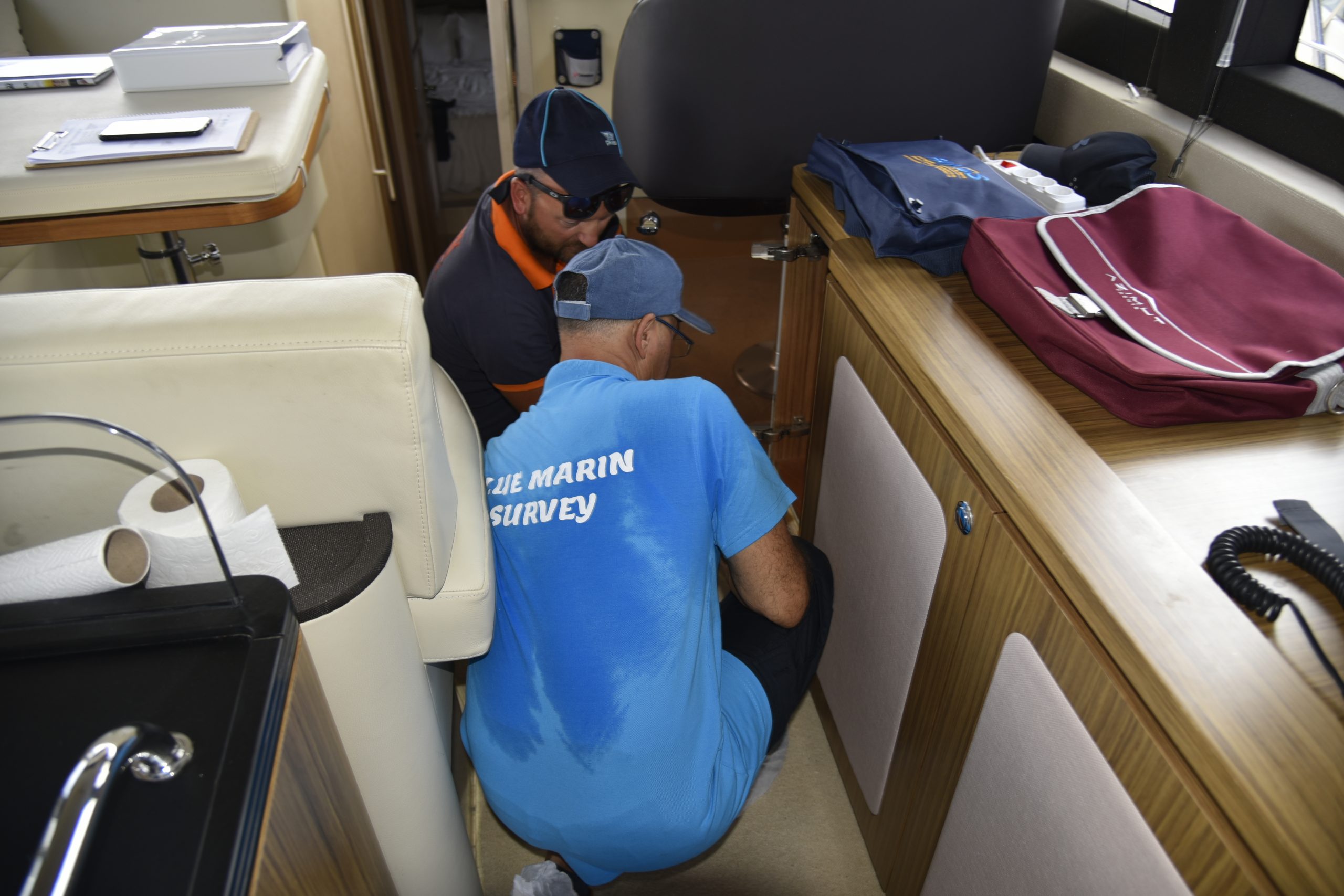
  • General control of all places together with the equipment they belong to (including lighting, wet floor drains, bilges, furniture, sanitary ware, doors, cabinets, etc.).
  • Within the scope of auxiliary systems; controls for diesel generators, their related circuits and bilge discharge, fresh water, biological waste (sewage), heating, ventilation, air conditioning, exhaust, hydraulic systems.
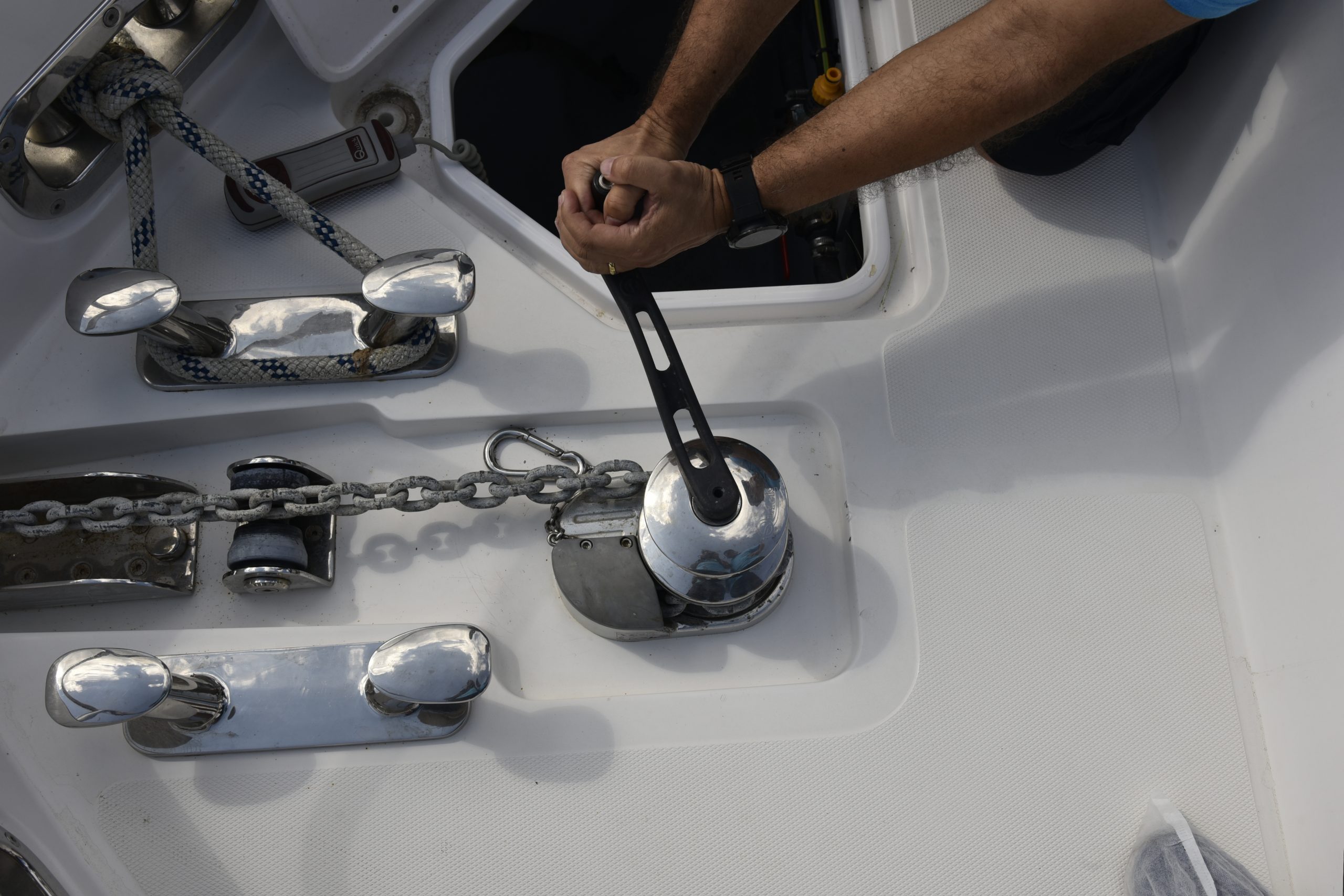
  • Operational tests of all deck machinery including maneuvering capstans, winches, davits and cranes.
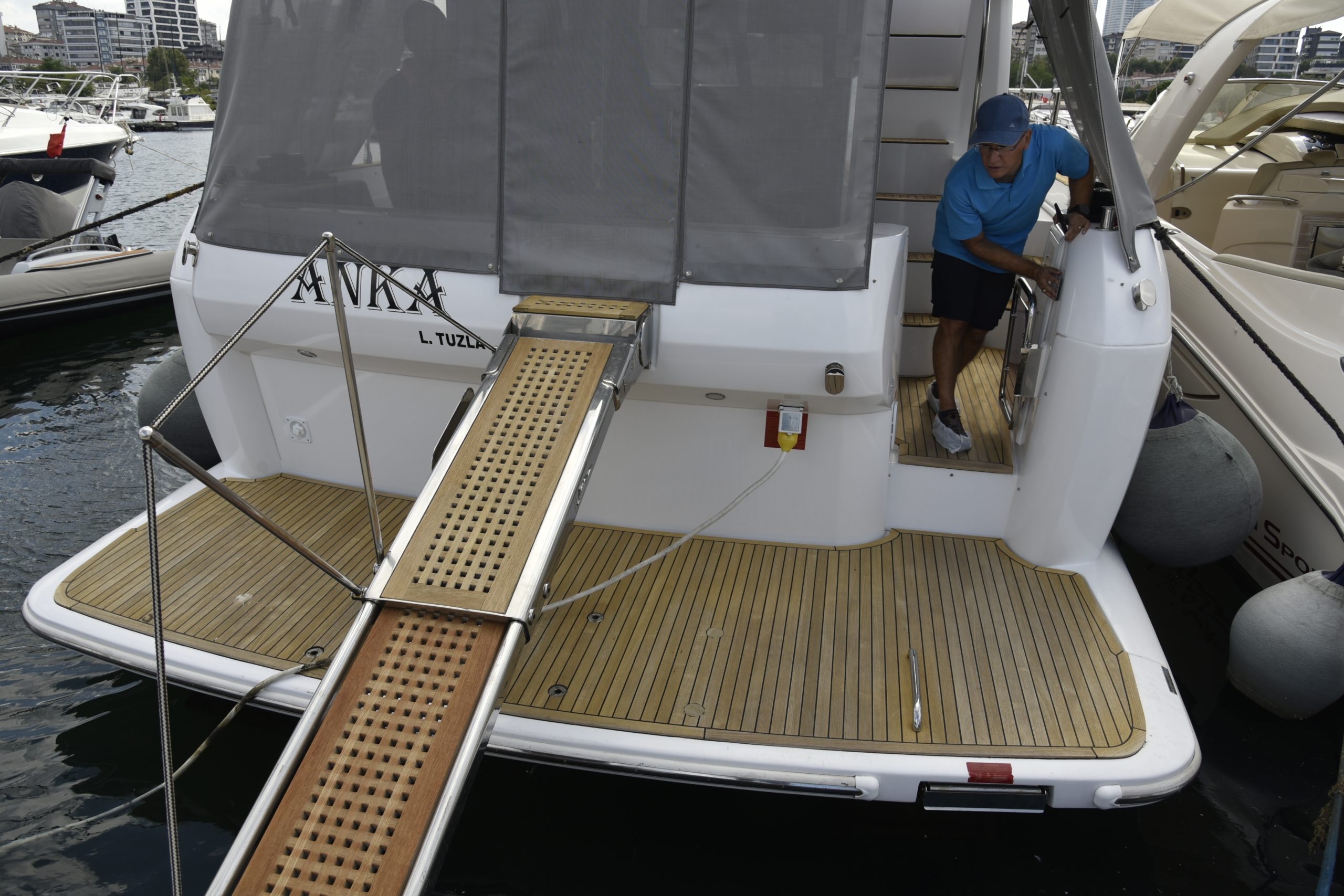
  • Controls for the tender boat, pasarella and all the related mooring elements on the deck.
  • Within the scope of security system/equipment control; checks for fire fighting equipment, life rafts, life jackets, etc. and the controls for the alarm systems with the ISM equipment.
  • Within the scope of electrical systems; operational tests of the main distribution system, batteries, navigation lights, ship whistle, searchlight and entertainment system.
  • Operational tests of communications equipment, including portable ones.
  • Controls for the awnings, ropes and fenders.
  • Contros for the sailing equipment, if any (visual checks for the fixed and movable equipment elements and inventory materials).
  • Speed tests.
  • Rudder tests.
  • Maneuverability tests (rev circle, sudden stop, full traverse astern, zig-zag).
  • Main engine, propeller systems and steering gear tests (including emergency operation).
  • Functional tests of stabilizers, trim blades and thrusters, if any.
  • Anchoring tests.
  • Functional controls of navigational electronic devices (radar, compass, GPS).

Pre-Purchase Survey

Our aim within the scope of pre-purchase survey is to contribute to a sales transaction that will satisfy the interested parties by presenting the real conditions of the boats with evidence, on behalf of the buyer or seller.

Our principle in this process is to reflect all the evaluations that we can make and finalize to our customers in a transparent manner and as they are.

From the Buyer's Perspective

Although its appearance, aesthetics and paint are really important, other major technical problems especially come to the fore, along with the retrospective traceability of the boat in its life cycle, technical problems related to the hull and construction that cannot be detected visually, and the functional status of expensive main equipment.

In this way, in line with a competent report prepared by us, it is contributed to the buyer's decision to continue or abandon the purchase. When necessary, maintenance and repair suggestions regarding the detected issues are presented to the buyer in order of priority and and considering its urgency, if there are any.

The buyer is given the opportunity to negotiate over the current market value of the boat.

From the Seller's Perspective

The decision-making processes for sales or pre-sales maintenance are supported by reporting the issues that cannot be noticed during the use of the boat and that may cause potential problems, if any.

First of all, it helps the seller make the right pricing by revealing the real condition of their boat.

Survey Content

Measurement values, results and findings obtained from the following activities are reported in a way to include the visual evidence and suggestions for solutions to the identified problems.

  • General inspection of the hull cladding, sheet thickness or moisture measurements depending on the hull material, controls for surface deformation, damage, repair traces and delamination if necessary.
  • Shaft, shaft bearings, propeller and rudder controls and related measurements.
  • Controls for the state of corrosion, anti-fouling and anodes.
  • Inspection of all hull connections, sea chests and side exits.
  • Physical control of thrusters, stabilizer, trim blades and sensors on the hull, if any.
  • Control of the strength elements and the general structural control of the main hull and superstructure inside the hull along with the inspection for cracks at suspected stress points.
  • General checks for the upper building, controls for the deck/hull module connections and operability and tightness checks for deck lining and drains, upper building plinths, stanchions, doors, hoods and portholes.
  • General control of all places together with the equipment they belong to (including lighting, wet floor drains, bilges, furniture, sanitary ware, doors, cabinets, etc.).
  • Within the scope of auxiliary systems; controls for diesel generators, their related circuits and bilge discharge, fresh water, biological waste (sewage), heating, ventilation, air conditioning, exhaust, hydraulic systems.
  • Operational tests of all deck machinery including maneuvering capstans, winches, davits and cranes.
  • Controls for the tender boat, pasarella and all the related mooring elements on the deck.
  • Within the scope of security system/equipment control; checks for fire fighting equipment, life rafts, life jackets, etc. and the controls for the alarm systems with the ISM equipment.
  • Within the scope of electrical systems; operational tests of the main distribution system, batteries, navigation lights, ship whistle, searchlight and entertainment system.
  • Operational tests of communications equipment, including portable ones.
  • Controls for the awnings, ropes and fenders.
  • Contros for the sailing equipment, if any (visual checks for the fixed and movable equipment elements and inventory materials).
  • Speed tests.
  • Rudder tests.
  • Maneuverability tests (rev circle, sudden stop, full traverse astern, zig-zag).
  • Main engine, propeller systems and steering gear tests (including emergency operation).
  • Functional tests of stabilizers, trim blades and thrusters, if any.
  • Anchoring tests.
  • Functional controls of navigational electronic devices (radar, compass, GPS).